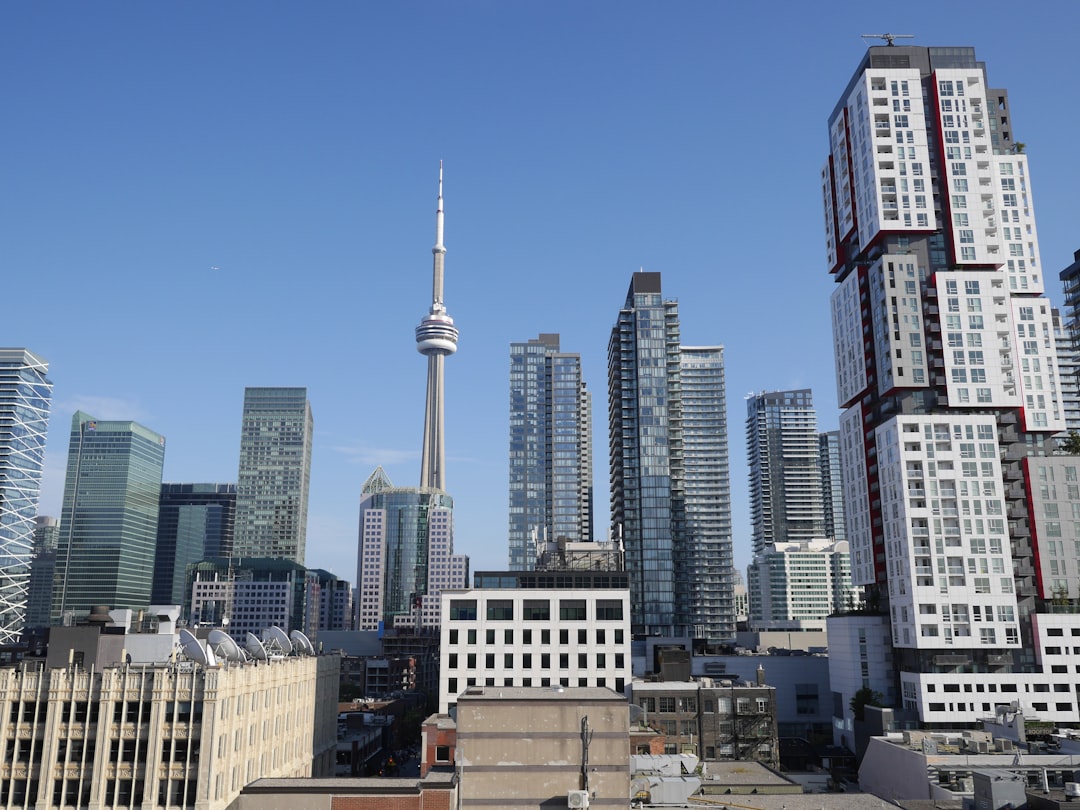
IRCC requires international students to deposit $22,895 into a GIC before their study permit is approved. That works out to $1,908 per month for 12 months, and it is supposed to cover rent, food, transit, phone, internet, clothing, and every other living expense. A student arriving in Toronto in September 2026 will discover that a shared room near campus costs $1,200 per month. That leaves $708 for everything else. In Vancouver, the same shared room runs $1,100. In Calgary, $850. The GIC is not a budget. It is a minimum threshold set by a government department, and in 2026 it falls dangerously short of what rent prices canada students 2026 actually look like on the ground.
But 2026 is not 2024. For the first time in years, rents across Canada have been falling for 18 consecutive months. Vacancy rates are climbing. Landlords in prairie provinces are offering incentives to fill units. Students who pick the right city and time their search have real negotiation leverage, and the data in this article will show you exactly where that leverage exists.
The GIC Gap: What IRCC Says You Need vs. What Rent Actually Costs in 2026
The GIC amount for 2026 is $22,895, set in September 2025 when IRCC raised it from $20,635. IRCC calculates this as the minimum cost of living for one year outside Quebec. Quebec sets its own proof-of-funds requirement through MIFI: as of January 1, 2026, a single applicant must demonstrate $24,617, up sharply from the previous $15,508. Once your study permit is approved, the bank releases your GIC in monthly installments of roughly $1,908.

That $1,908 needs to cover all of the following every month:
- Rent (your single largest expense)
- Groceries and eating out
- Public transit or transportation
- Phone plan and internet
- Laundry, toiletries, and household supplies
- Winter clothing (if you arrive in September or January)
- Textbooks and course materials not covered by tuition
Now compare that $1,908 to what students actually pay for rent alone in April 2026, according to Rentals.ca and CMHC rental market data:
- Toronto: Shared room $1,200+, studio apartment $2,100+
- Vancouver: Shared room $1,100+, studio apartment $1,900+
- Montreal: Shared room $700+, studio apartment $1,300+
- Ottawa: Shared room $800+, studio apartment $1,500+
In Toronto, rent for a shared room consumes 63% of your entire GIC monthly payment. A studio takes 110%, meaning your $22,895 GIC will not last 12 months in Toronto if you are living alone. The gap between what IRCC says you need and what rent actually costs is not a small rounding error. It is $500 to $1,200 per month depending on your city and housing type.
One critical number most students miss: Rentals.ca reports that the national gap between asking rent and paid rent (what tenants actually sign for) was $756 per year in early 2026. That means landlords are listing units for more than tenants end up paying. This gap is your negotiation leverage, and it widens in cities with rising vacancy rates.
2026 Rent Prices by City: What Students Actually Pay
The table below covers 12 Canadian cities where large numbers of international students attend DLI-listed colleges and universities. All figures are from April 2026 data published by Rentals.ca and CMHC. The “shared room” column reflects what students post in Facebook groups and on Places4Students, not what landlords list on Rentals.ca (which tends to skew higher).

Toronto
- Shared room: $1,100 to $1,400/month
- 1-bedroom apartment: $2,200 to $2,500/month
- Studio: $1,900 to $2,200/month
- Vacancy rate: 3.0% (up from 1.4% in 2023, per CMHC 2025 data)
- Major DLIs: University of Toronto, Humber College, George Brown College, Seneca Polytechnic
- Transit: TTC monthly pass $156
Vancouver
- Shared room: $1,000 to $1,300/month
- 1-bedroom apartment: $2,100 to $2,400/month
- Studio: $1,700 to $2,000/month
- Vacancy rate: 3.7% (a 30-year high, up from 0.9% in 2023)
- Major DLIs: UBC, SFU, Langara College, BCIT
- Transit: Compass monthly pass $111.60 (1-zone) to $201.55 (3-zone)
Montreal
- Shared room: $600 to $850/month
- 1-bedroom apartment: $1,300 to $1,600/month
- Studio: $1,100 to $1,400/month
- Vacancy rate: 2.3%
- Major DLIs: McGill University, Concordia University, Dawson College
- Transit: STM monthly pass $104.50
Ottawa
- Shared room: $700 to $950/month
- 1-bedroom apartment: $1,600 to $1,900/month
- Studio: $1,400 to $1,600/month
- Vacancy rate: 3.0% (per CMHC 2025 data)
- Major DLIs: University of Ottawa, Carleton University, Algonquin College
- Transit: OC Transpo monthly pass $138.50
Calgary
- Shared room: $700 to $900/month
- 1-bedroom apartment: $1,400 to $1,700/month
- Studio: $1,200 to $1,400/month
- Vacancy rate: 5.0% (per CMHC 2025 data)
- Major DLIs: University of Calgary, Mount Royal University, SAIT
- Transit: Calgary Transit monthly pass $126
Edmonton
- Shared room: $600 to $850/month
- 1-bedroom apartment: $1,200 to $1,500/month
- Studio: $1,000 to $1,300/month
- Vacancy rate: 3.8% (per CMHC 2025 data)
- Major DLIs: University of Alberta, MacEwan University, NAIT
- Transit: ETS monthly pass $102
Winnipeg
- Shared room: $500 to $700/month
- 1-bedroom apartment: $1,000 to $1,300/month
- Studio: $850 to $1,100/month
- Vacancy rate: 3.8%
- Major DLIs: University of Manitoba, University of Winnipeg, Red River College
- Transit: Winnipeg Transit monthly pass $119.35
Halifax
- Shared room: $650 to $900/month
- 1-bedroom apartment: $1,500 to $1,800/month
- Studio: $1,300 to $1,500/month
- Vacancy rate: 1.8%
- Major DLIs: Dalhousie University, Saint Mary’s University, NSCC
- Transit: Halifax Transit monthly pass $90
Kitchener-Waterloo
- Shared room: $700 to $950/month
- 1-bedroom apartment: $1,600 to $1,900/month
- Studio: $1,400 to $1,600/month
- Vacancy rate: 2.6%
- Major DLIs: University of Waterloo, Wilfrid Laurier University, Conestoga College
- Transit: GRT monthly pass $104
London, Ontario
- Shared room: $600 to $850/month
- 1-bedroom apartment: $1,400 to $1,700/month
- Studio: $1,200 to $1,400/month
- Vacancy rate: 2.9%
- Major DLIs: Western University, Fanshawe College
- Transit: LTC monthly pass $112
Brampton
- Shared room: $800 to $1,100/month
- 1-bedroom apartment: $1,800 to $2,100/month
- Studio: $1,500 to $1,800/month
- Vacancy rate: 2.0%
- Major DLIs: Algoma University (Brampton campus), Sheridan College (nearby Mississauga)
- Transit: Brampton Transit + GO monthly: $140 to $200
Windsor
- Shared room: $500 to $700/month
- 1-bedroom apartment: $1,100 to $1,400/month
- Studio: $950 to $1,200/month
- Vacancy rate: 3.5%
- Major DLIs: University of Windsor, St. Clair College
- Transit: Transit Windsor monthly pass $124
The pattern is clear: your GIC money stretches twice as far in Winnipeg or Windsor as it does in Toronto or Vancouver. A student splitting rent with roommates in Edmonton keeps roughly $1,100 per month for non-rent expenses. The same student in a Toronto shared room keeps $600. Over 12 months, that difference adds up to $6,000, enough to cover an entire semester of groceries.
Why 2026 Is Different: 18 Months of Rent Declines and What That Means for You
For the first time since the pandemic, the Canadian rental market is working in students’ favor. Rentals.ca data shows national asking rents have declined for 18 consecutive months through early 2026, with March 2026 marking a 35-month low in average asking rents. Several factors are driving this shift:
- Rising vacancy rates: Vancouver hit 3.7% vacancy, the highest in 30 years. Calgary reached 5.0%. Edmonton sits at 3.8%. When units sit empty, landlords get flexible.
- Reduced international student intake: The federal government’s temporary cap on international student permits, introduced in 2024, reduced new student arrivals by roughly 35%. Fewer students means less competition for rental units near campuses.
- New supply coming online: Purpose-built rental construction that started in 2022 and 2023 is completing across Toronto, Vancouver, and Calgary, adding thousands of units to the market.
- Ontario’s 2.1% rent increase guideline: For 2026, the Ontario government capped annual rent increases at 2.1% for units built before November 2018. If you are renewing a lease in Ontario, your landlord cannot raise your rent by more than this amount.
A student in Calgary used the vacancy data to negotiate $200 per month off the asking rent on a one-bedroom apartment. The landlord had listed the unit at $1,600 per month. It had been empty for six weeks. The student offered $1,400 with a 12-month lease signed immediately, citing the 5.0% vacancy rate and two other available units in the same building. The landlord accepted the same day. Before 2026, that negotiation would not have worked. Units were renting within 48 hours of listing, and landlords had five applications for every vacancy. The market has shifted, and students who show up with data have leverage that did not exist two years ago.
The asking-rent-versus-paid-rent gap is your most powerful tool. When a landlord lists a unit at $1,500 and similar units in the same building have rented for $1,350, that $150 gap is not a mistake. It is room for negotiation. Check Rentals.ca for current listing prices in your target neighborhood, then check CMHC’s Rental Market Report for actual average paid rents. The difference tells you how much room you have to negotiate.
But declining rents do not mean every city is suddenly affordable. Halifax vacancy remains tight, and rents there have actually increased 6.7% year-over-year. Toronto’s 3.0% vacancy is better than 2023’s 1.4%, but still tight enough that downtown units rent quickly. The leverage exists, but it exists unevenly, and the city-by-city data above shows you exactly where the opportunities are strongest.
Student Housing Types Ranked by Cost and Safety
Not all housing options carry the same risk. Understanding the tradeoffs helps you make a decision that protects both your budget and your safety.
On-Campus Residence
- Cost: $8,000 to $15,000 per academic year (8 months), often with a mandatory meal plan adding $3,000 to $5,500
- Pros: Walking distance to classes, 24/7 security, built-in social network, no lease negotiation, utilities included
- Cons: Waitlists of 6 to 12 months at popular DLIs (University of Toronto’s waitlist often exceeds 5,000 students), mandatory meal plan inflates the total cost, limited privacy, strict guest policies
- Best for: First-year students who want stability while learning the local rental market
Off-Campus Shared Apartment
- Cost: $500 to $1,400 per month depending on city and number of roommates
- Pros: Significantly cheaper than residence, more freedom, choose your own roommates, can negotiate lease terms
- Cons: Scam risk is highest in this category, you are jointly responsible for rent if a roommate leaves, no built-in support, must handle utilities and internet setup
- Best for: Students who have at least one trusted contact in the city or who arrive early enough to search in person
Homestay
- Cost: $800 to $1,200 per month, typically including meals and utilities
- Pros: Meals included (saving $300 to $500 per month in groceries), cultural immersion, a built-in local support person, furnished room
- Cons: House rules on guests and curfews, location may be far from campus, less independence, quality varies widely between host families
- Best for: Students under 20, students whose families want the security of a host family arrangement, students arriving in January who cannot find a lease before arrival
Purpose-Built Student Housing
- Cost: $1,200 to $2,200 per month
- Pros: Fully furnished, utilities and internet included, study spaces and common areas, often near campus, no dealing with individual landlords
- Cons: Premium pricing (15 to 30% above comparable off-campus rentals), strict contract terms with early termination penalties, some operators have poor maintenance track records
- Best for: Students who prioritize convenience and can afford the premium, or students whose families prefer a corporate housing provider over an individual landlord
Basement Apartments and “Flex Rooms”
- Cost: $500 to $1,200 per month
- Pros: Cheapest option in expensive cities (a “flex room downtown for $1,200” is common in Toronto listings)
- Cons: Many basement units are illegal (no second egress, inadequate ceiling height, no fire separation), no lease protections if the unit is not a legal rental, dampness and pest issues are common, landlords who rent illegal units are more likely to violate tenant rights in other ways
- Best for: Experienced renters who know how to verify a unit is legal. Not recommended for students arriving in Canada for the first time.
The safest first move for most international students: apply for on-campus residence as a backup, book 2 to 4 weeks of temporary housing, then search for an off-campus shared apartment in person after you arrive. This approach costs slightly more upfront but protects you from the scams that hit students who sign leases remotely without seeing the unit.
Your Actual First-Month Budget: The Costs Nobody Warns You About
Rent is the headline number, but your first month in Canada costs significantly more than any single month after it. A student arriving at Pearson International Airport with two suitcases and $3,800 in their account will find that money disappearing faster than expected.

The following first-month breakdown covers what students in three city tiers typically spend, based on real arrival costs reported by international students:
Expensive Cities (Toronto, Vancouver)
- First and last month’s rent (Ontario requires both upfront): $2,200 to $2,800
- Bedding, pillows, towels: $150 to $250
- SIM card and phone plan: $40 to $60
- Grocery startup (spices, rice, oil, cookware, cleaning supplies): $200 to $350
- Transit pass: $112 to $156
- Winter gear (if arriving September or January): $200 to $400
- Total first month: $2,902 to $4,014
Moderate Cities (Ottawa, Calgary, Halifax, Kitchener-Waterloo)
- First and last month’s rent: $1,400 to $1,900
- Bedding and basics: $120 to $200
- SIM card and phone plan: $40 to $55
- Grocery startup: $180 to $300
- Transit pass: $90 to $139
- Winter gear: $200 to $400
- Total first month: $2,030 to $2,994
Affordable Cities (Winnipeg, Edmonton, Windsor, London ON)
- First and last month’s rent: $1,000 to $1,400
- Bedding and basics: $100 to $180
- SIM card and phone plan: $35 to $50
- Grocery startup: $150 to $250
- Transit pass: $102 to $124
- Winter gear: $250 to $450 (prairie winters are colder, budget more)
- Total first month: $1,637 to $2,454
Notice that the first month in Toronto can exceed $4,000 before you have attended a single class. Your GIC releases $1,908 per month. Even if you have your first GIC installment plus savings, the math is tight. The students who land without a financial cushion beyond the GIC are the ones posting on Reddit that “rent is eating my entire budget” by October.
Two costs that catch students off guard: the Ontario requirement to pay both first and last month’s rent at signing (which doubles your upfront housing cost), and winter gear. A proper winter jacket, boots, gloves, and a thermal base layer cost $300 or more, and you cannot skip them if you arrive in September. Canadian Tire and Walmart offer the most affordable options. Do not buy winter gear from your home country; it is almost certainly not rated for Canadian temperatures.
Scam Red Flags and Tenant Rights Every International Student Must Know
International students are the most-targeted group for rental scams in Canada. You are searching from another country, you cannot visit units in person, you are unfamiliar with local norms, and you are under time pressure. Scammers know this.
The 5 Most Common Scam Patterns
- Kijiji and Facebook ghost listings: A scammer copies photos from a real listing, posts the unit at a below-market price, and asks for a deposit to “hold the room.” The unit either does not exist or belongs to someone else. Students who got scammed on a Kijiji listing almost always describe the same pattern: the price was suspiciously low, the “landlord” was unavailable for a video call, and they were pressured to send money before viewing.
- “Send deposit to hold” before viewing: A legitimate landlord will never ask for money before you have seen the unit (in person or on a live video call where they walk through the property). Any request for money before a viewing is a scam.
- Fake agent fees: Some scammers pose as rental agents and charge $200 to $500 “finder’s fees.” In most provinces, tenants do not pay agent fees. The landlord pays the agent.
- Photoshopped rental agreements: The scammer sends a professional-looking lease with a fake landlord name and address. Verify the property owner through your city’s property tax records or land registry.
- Upfront rent demands beyond legal limits: A landlord asking for 6 months’ rent upfront is either breaking the law (in Ontario) or signaling that they will cut other corners too.
How to Verify a Listing
- Reverse image search the listing photos on Google Images. If the same photos appear on a different address, it is a scam.
- Demand a live video call where the “landlord” walks through the unit and shows the exterior, including the street address.
- Check property ownership records through your city’s land registry or property tax lookup tool.
- Contact your university housing office. Many maintain lists of verified landlords and flagged scam listings.
Tenant Rights by Province
Your rights as a tenant vary by province. Knowing the rules protects you from landlords who count on international students not knowing the law.
- Ontario (Residential Tenancies Act, 2006): Landlords can collect first and last month’s rent only. No damage deposits, no key deposits beyond the actual cost of the key. Rent increases capped at 2.1% for 2026 (units built before November 2018). Disputes go to the LTB.
- British Columbia (Residential Tenancy Act): Landlords can collect half a month’s rent as a damage deposit and half a month as a pet deposit. No last month’s rent upfront. Disputes go to the Residential Tenancy Branch.
- Quebec: No last month’s rent can be collected. Security deposits are illegal under Article 1904 of the Civil Code of Quebec; landlords cannot require any deposit beyond rent. Lease renewals are automatic. The Tribunal administratif du logement handles disputes.
- Alberta: Security deposit limited to one month’s rent. No last month’s rent upfront. The Residential Tenancy Dispute Resolution Service handles disputes.
- Manitoba: Security deposit limited to half a month’s rent. The Residential Tenancies Branch handles disputes.
If a landlord demands money beyond what the law allows, that is a red flag about how they will treat you as a tenant. Walk away.
If you have been scammed, take these steps immediately: file a police report, contact the Canadian Anti-Fraud Centre at 1-888-495-8501, and notify your university housing office. If you paid by credit card or Interac e-transfer, contact your bank within 24 hours to dispute the transaction.
How to Find Housing Before You Arrive in Canada
The worst mistake is signing a lease remotely for a unit you have never seen, even on video. The second-worst mistake is arriving with no plan at all. The middle path works best.

Step 1: Start With Your University Housing Office
Every DLI has a housing office that maintains verified listings, flagged scam reports, and sometimes direct partnerships with landlords. This is a free resource that most students ignore. Contact the office 3 to 4 months before your arrival date. Ask for their off-campus housing portal and any roommate matching services. The student housing guide for international students covers what to expect from each type of housing office.
Step 2: Book Temporary Housing for Your First 2 to 4 Weeks
Instead of committing to a 12-month lease from overseas, book temporary accommodation for your first 2 to 4 weeks in Canada. Options include:
- University-affiliated short-term housing (many schools offer this during September and January intake)
- Hostels ($30 to $60 per night in major cities)
- Airbnb or short-term rentals ($50 to $120 per night, cheaper for weekly bookings)
- Homestay trial periods (some agencies offer 2-week trial placements)
This costs $400 to $1,200 total but saves you from signing a bad lease under pressure. You can view apartments in person, meet potential roommates face to face, and learn the neighborhood before committing.
Step 3: Use Verified Platforms for Your Search
- Places4Students.com: A platform specifically for student housing near Canadian campuses. Listings are often verified through partner institutions.
- Your university’s housing portal: Many schools maintain their own listing sites with verified landlords.
- Facebook groups: Join groups run by your university’s student association, not generic city rental groups. Groups moderated by the Students’ Union or International Student Services tend to have fewer scam listings.
- Kijiji and Facebook Marketplace: High volume of listings but also the highest scam risk. Use these only after arriving in Canada, and only for in-person viewings.
Step 4: Time Your Search
July and August are the most competitive months for student housing. Landlords near campuses receive dozens of applications per listing, and prices peak. If you are arriving for a September start, begin your search in May. If you are arriving for January intake, you have an advantage: fewer students are searching, vacancy rates are seasonally higher, and landlords are more willing to negotiate.
Virtual Viewing Checklist
If you must evaluate a unit remotely before arriving, insist on a live video call (not pre-recorded video) and ask the landlord to show:
- Every room, including closets and storage
- All appliances running (stove, fridge, washer if included)
- Water pressure in the bathroom and kitchen
- The view from each window (confirms the actual address)
- The building entrance, mailbox area, and laundry facilities
- Any damage or wear, and confirm it is documented before you sign
What to Do Next
You now have the 2026 rent data by city, the first-month cost breakdown, the scam warning signs, and your provincial tenant rights. The next steps depend on where you are in your planning.
If you are still choosing between cities, use the cost comparison above alongside the GIC breakdown for your study permit to calculate your monthly surplus (or deficit) in each city. Factor in tuition differences and part-time work availability, not just rent.
If you have already accepted an offer from a DLI, start with your university housing office this week. Apply for on-campus residence as a backup. Book temporary housing for your first 2 to 4 weeks. Then begin your off-campus search on verified platforms, using the scam checklist above to filter every listing.
If you are already in Canada and struggling with rent eating your entire budget, check whether your current rent reflects the 2026 market. If your lease is up for renewal and your city’s vacancy rate has risen, you have negotiation leverage. Review your provincial tenant rights above and use CMHC paid-rent data to support a lower renewal rate.
Bookmark this page and revisit it when you are comparing specific listings. The city-by-city data, first-month budgets, and tenant rights sections are designed to be reference tools you use throughout your housing search, not just background reading.
The proof of funds number IRCC puts on your study permit application is a starting point, not a budget. For advice specific to your financial and immigration situation, consult a licensed immigration consultant (RCIC) or your university’s international student advisor.
Frequently Asked Questions
Is the GIC money ($22,895) actually enough to live on for a year in Toronto?
No. The GIC provides $1,908 per month. In Toronto, a shared room costs $1,100 to $1,400 per month, leaving $500 to $800 for food, transit, phone, and all other expenses. Most students supplement with part-time work (up to 24 hours per week on a study permit) or savings from home. If you plan to live in Toronto without additional income, budget for a shortfall of $400 to $800 per month beyond your GIC. Read the full student budget breakdown for a month-by-month projection.
How do I find affordable student housing in Canada?
Start with your university housing office, which maintains verified listings. Use Places4Students.com for campus-area housing. Join Facebook groups run by your school’s student association. Book 2 to 4 weeks of temporary housing on arrival and search in person. Avoid signing any lease or sending money before you have seen the unit live (in person or on a real-time video call). The cities with the best rent-to-GIC ratios in 2026 are Winnipeg, Edmonton, Windsor, and London, Ontario.
What are my rights as a tenant in Canada if my landlord asks for 6 months’ rent upfront?
In Ontario, this is illegal. The Residential Tenancies Act allows landlords to collect only first and last month’s rent. In British Columbia, landlords can collect half a month as a damage deposit and half a month as a pet deposit. In Alberta, the maximum security deposit is one month’s rent. A landlord who demands more than the law allows is either uninformed or deliberately taking advantage of you. Cite the specific legislation (linked in the tenant rights section above) and decline. If they insist, walk away and report them to your provincial tenant board.
Should I live on campus or off campus as an international student?
On-campus residence is the lower-risk option for your first year: it removes the scam risk, eliminates commute stress, and gives you a social foundation. The tradeoff is cost, since residence plus a meal plan often runs $11,000 to $20,000 for 8 months, which is 20 to 40% more than a shared off-campus apartment. If budget is your primary concern and you have a trusted contact in the city, off-campus shared housing saves real money. If you are arriving alone with no local network, campus residence buys you time to learn the market before signing an off-campus lease for year two.
I got scammed on a housing listing. What do I do now?
Act within 24 hours. File a report with local police (not just online, go to the station). Call the Canadian Anti-Fraud Centre at 1-888-495-8501. Contact your bank immediately to dispute the payment, especially if you paid by credit card or Interac e-transfer. Notify your university housing office, which can flag the listing and sometimes connect you with emergency housing resources. Save every screenshot, email, and payment receipt as evidence. You are not the first student this has happened to, and your university has protocols for helping. Read the proof of funds guide to understand how to protect your remaining funds while you recover.