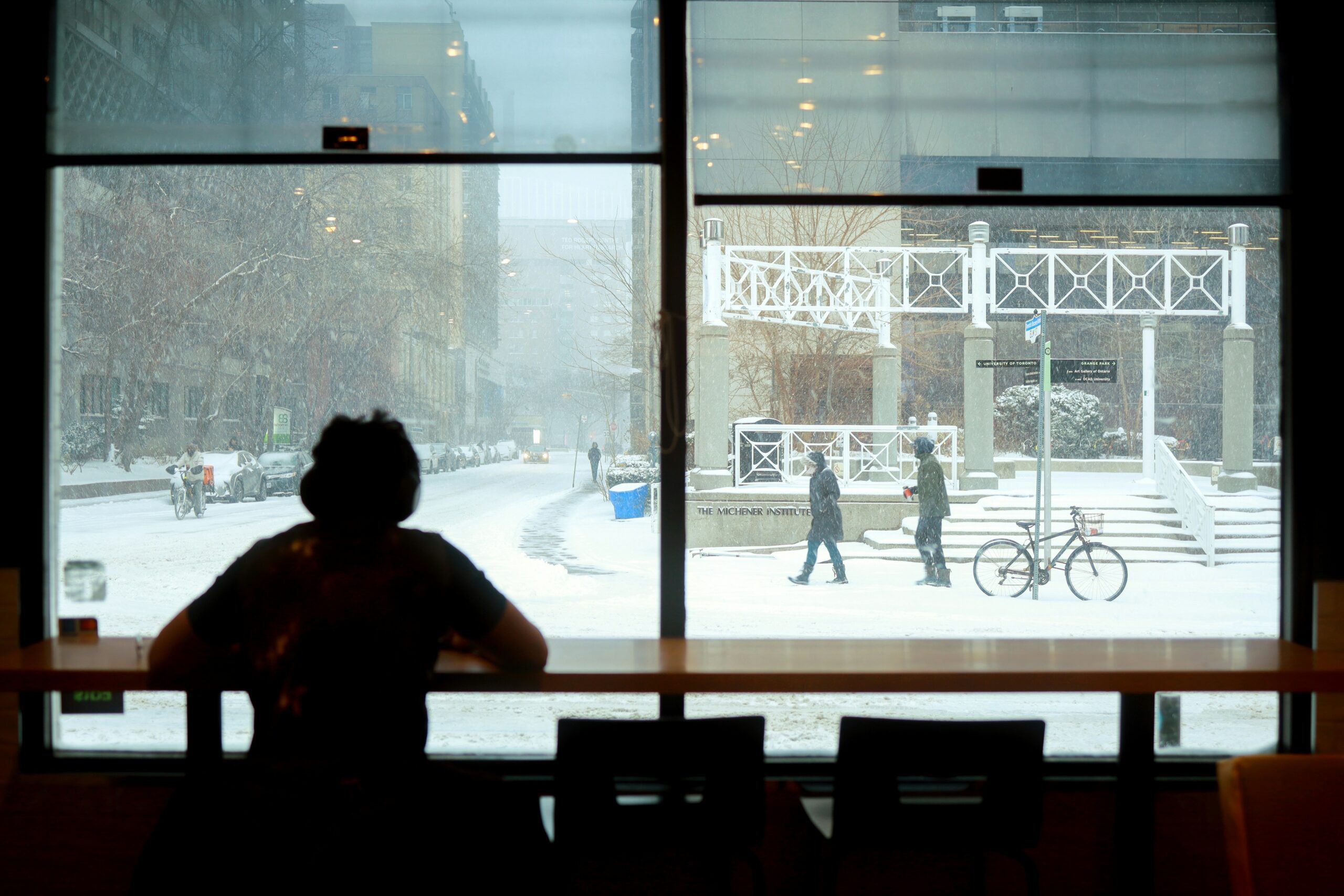
Second week of September in Brampton, Maria stood in her dorm hallway crying. The thermometer read 18C. She was wearing every layer she owned and she was still cold. Her roommate explained, gently, that this was not winter. This was early fall. It would get worse. Months worse.
Three provinces over, Moussa walked out of his residence on a January morning, inhaled hard, and felt his lungs burn. The windchill was -25C. He thought something was wrong with him. Nothing was. Nobody had told him what a Canadian November through March feels like.
If nobody has told you what your first Canadian winter will demand, this is that conversation. These winter survival tips for international students in Canada cover a city-by-city reality check, a 300 CAD buy-list, transit realities for seven cities, a frostbite timing chart, SAD protocols, and the free coat programs nobody advertises. You do not need a Canada Goose.
What Canadian Winter Actually Feels Like: A 7-City Reality Check
Canada is seven different winters depending on where your DLI sits on the map. Numbers below come from Environment and Climate Change Canada climate normals and Current Results January windchill averages.
| City | Jan avg low | Typical windchill | Dec sunset | Transit authority | Fare card |
|---|---|---|---|---|---|
| Toronto | -6.7C | -15 to -25 | 4:43pm | TTC and GO Transit | PRESTO |
| Vancouver | 1.4C | 0 to -5 (wet) | 4:16pm | TransLink | Compass Card |
| Montreal | -14.0C | -20 to -30 | 4:16pm | STM | OPUS |
| Calgary | -13.2C | -20 to -30 (Chinook swings) | 4:36pm | Calgary Transit | My Fare app |
| Edmonton | -14.8C | -25 to -35 | 4:17pm | ETS (LRT) | Arc card |
| Winnipeg | -22.8C | -30 to -45 | 4:44pm | Winnipeg Transit | Peggo |
| Halifax | -7.4C | -10 to -20 (ocean wind) | 4:35pm | Halifax Transit | cash, ticket, or HFXgo app |
Vancouver is wet, not cold. Calgary Chinook winds swing the temperature from -25 to +10 in 24 hours. Winnipeg averages 49 days per year at -30 windchill or below and recorded a wind chill of -57 on February 1, 1996. Halifax ocean wind cuts sharper than the number suggests. The 4:17pm sunset is not a typo. Near the winter solstice, daylight in Edmonton and Winnipeg drops under 8 hours. Your body clock will notice. So will your mood.
City cost matters as much as city weather; see our 2025/2026 Canadian tuition breakdown and our ranking of the best cities in Canada for international students in 2026. Cold plus unexpected cost sinks first-year budgets.
The 300 CAD First Winter Kit: Exactly What to Buy at Costco, Uniqlo, Winners, and Facebook Marketplace
Arjun arrived in Toronto with 1,500 CAD. A classmate said a Canada Goose was “basically required.” He spent 1,200 and was eating instant ramen by January. Maria, same campus, spent 230 CAD at Uniqlo and Costco and stayed warmer. Her saved 970 paid February rent. Your first kit does not need to cross 300 CAD.
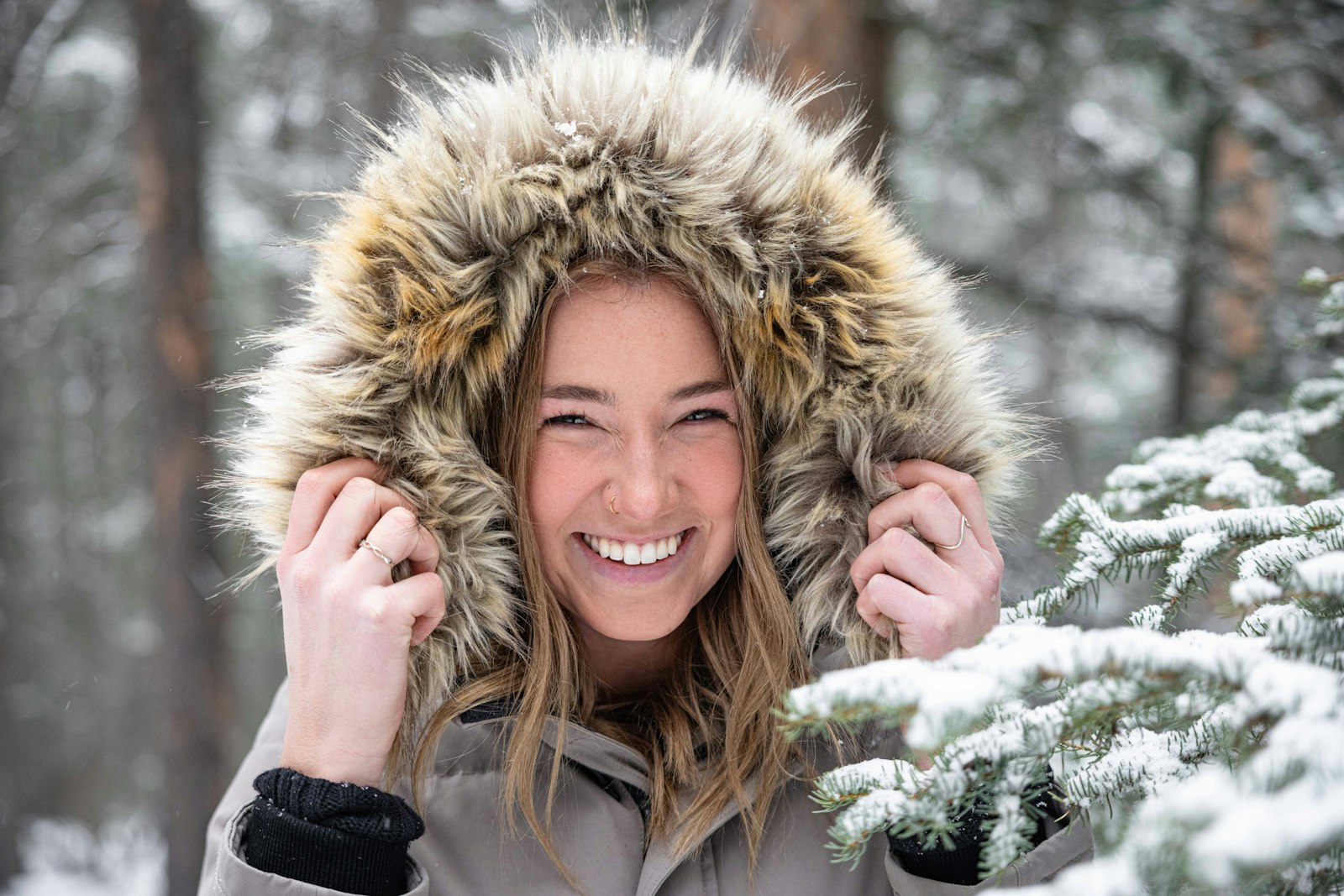
Jackets (pick one)
- Costco Kirkland hooded parka: 120 to 180 CAD (November drop, gone by late December)
- Marks WindRiver parka: 150 to 250 CAD
- Facebook Marketplace used Canada Goose or North Face: 150 to 400 CAD
- Columbia or North Face outlet, March end-of-season: 150 to 250 CAD (40 to 60 percent off)
- Do NOT buy a new Canada Goose at 900 to 1,500 CAD as your first purchase.
Base Layers
- Uniqlo Heattech standard: 19.90 to 29.90 CAD
- Heattech Extra Warm: 29.90 to 39.90 CAD (1.5x warmer)
- Heattech Ultra Warm: 39.90 to 49.90 CAD (rated to -20C, the one Torontonians actually wear)
- Heattech leggings: 19.90 to 39.90 CAD
Accessories
- Costco Kirkland wool socks, 4-pack: 25 to 40 CAD
- Wool toque at Marks or Winners: 15 to 30 CAD
- Insulated Thinsulate gloves: 25 to 50 CAD
- HotHands hand warmers, 40-pack: 20 to 30 CAD
Do Not Buy
- Cotton base layers. They absorb sweat, stay wet, and make you colder.
- A single heavy coat with no base layers. Layering beats bulk.
- A new Canada Goose. If the brand matters socially, buy used on Facebook Marketplace.
- Winter gear in December at full price. March sales cut 40 to 60 percent.
That 970 CAD equals roughly two months of groceries. See the real budget international students in Canada need and the full monthly expenses breakdown for students in Canada to see why one coat decision rescues year-one cash flow.
Boots and Black Ice: The One Purchase Most First-Winter Students Get Wrong
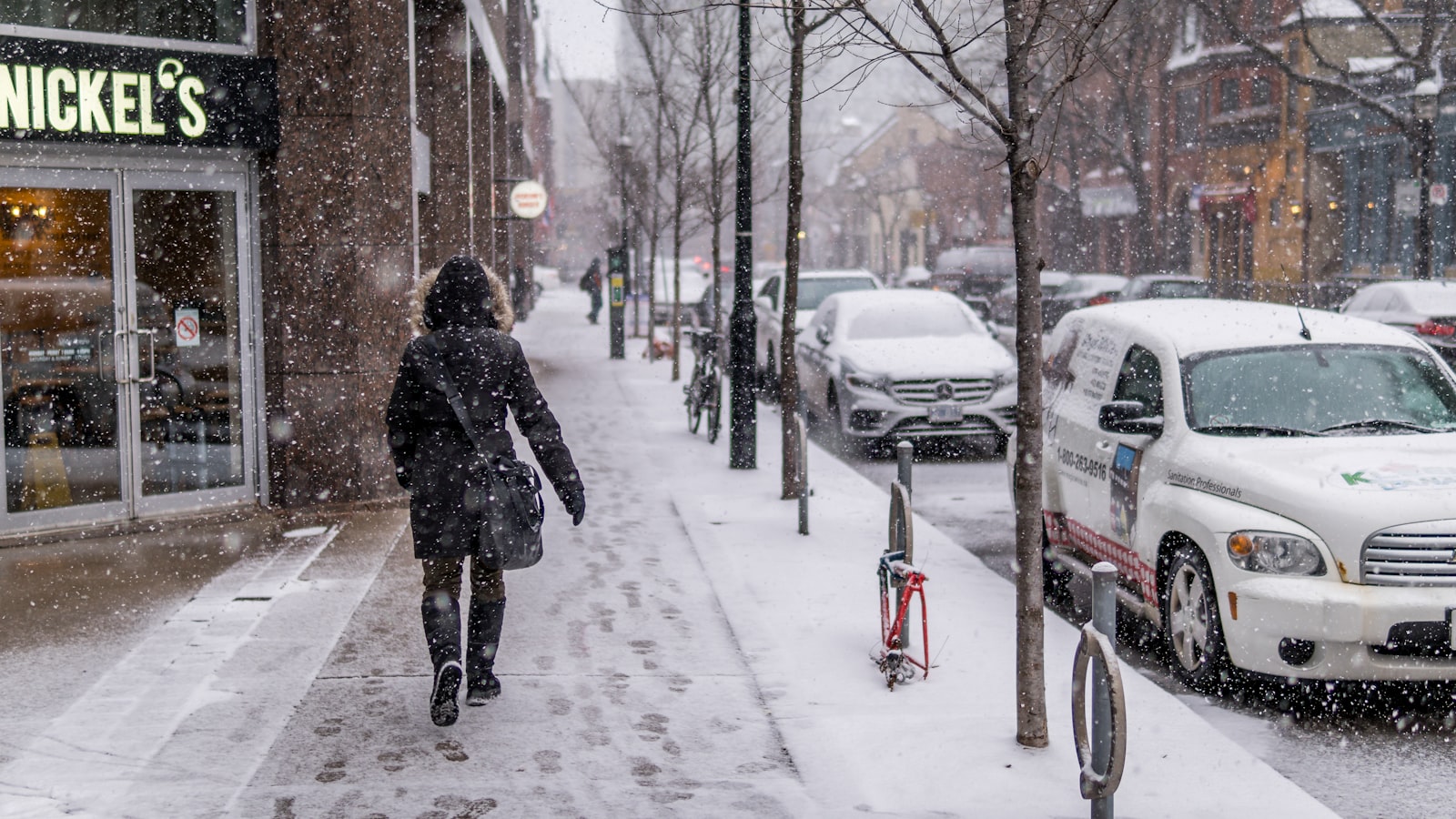
Smooth-soled fashion boots on an icy sidewalk at 7am land you in a hospital. Nearly 9,000 Canadians were hospitalized from falls on ice in 2016-2017 per Public Health Agency of Canada data. A cracked wrist in February means a missed midterm.
Budget boots, ranked by durability:
- Sorel Caribou or 1964: 170 to 240 CAD, rated to -40C, lasts 5+ years
- Columbia Bugaboot: 130 to 180 CAD
- Marks winter boots: 80 to 150 CAD
- Winners or Marshalls: 40 to 90 CAD (hit-or-miss sizing, shop in person)
- Yaktrax ice cleats: 25 to 40 CAD at Canadian Tire or MEC
Avoid leather dress boots, Dr Martens with smooth soles, Air Force 1s, and any sneaker with shallow tread. Students break wrists in these every January.
Six black-ice walking rules, adapted from the Canadian Red Cross icy weather guidance:
- Walk flat-footed like a penguin. Short steps, weight centered.
- Keep hands out of pockets for balance.
- Point toes slightly outward.
- Any wet-looking sidewalk below 0C is ice.
- Bridges, overpasses, and shaded walkways freeze first and thaw last.
- Wear Yaktrax daily if you walk to campus in January and February.
Bridges and overpasses freeze before roads because cold air circulates beneath them. That alone explains why first falls cluster at the same campus spots every year.
Transit Reality: Why the App Says 5 Minutes and the Bus Comes in 35
You will hear a Reddit classic your first week: “the TTC said 5 minutes, it was 35.” Not exaggeration in a storm. Each city has its own failure mode.
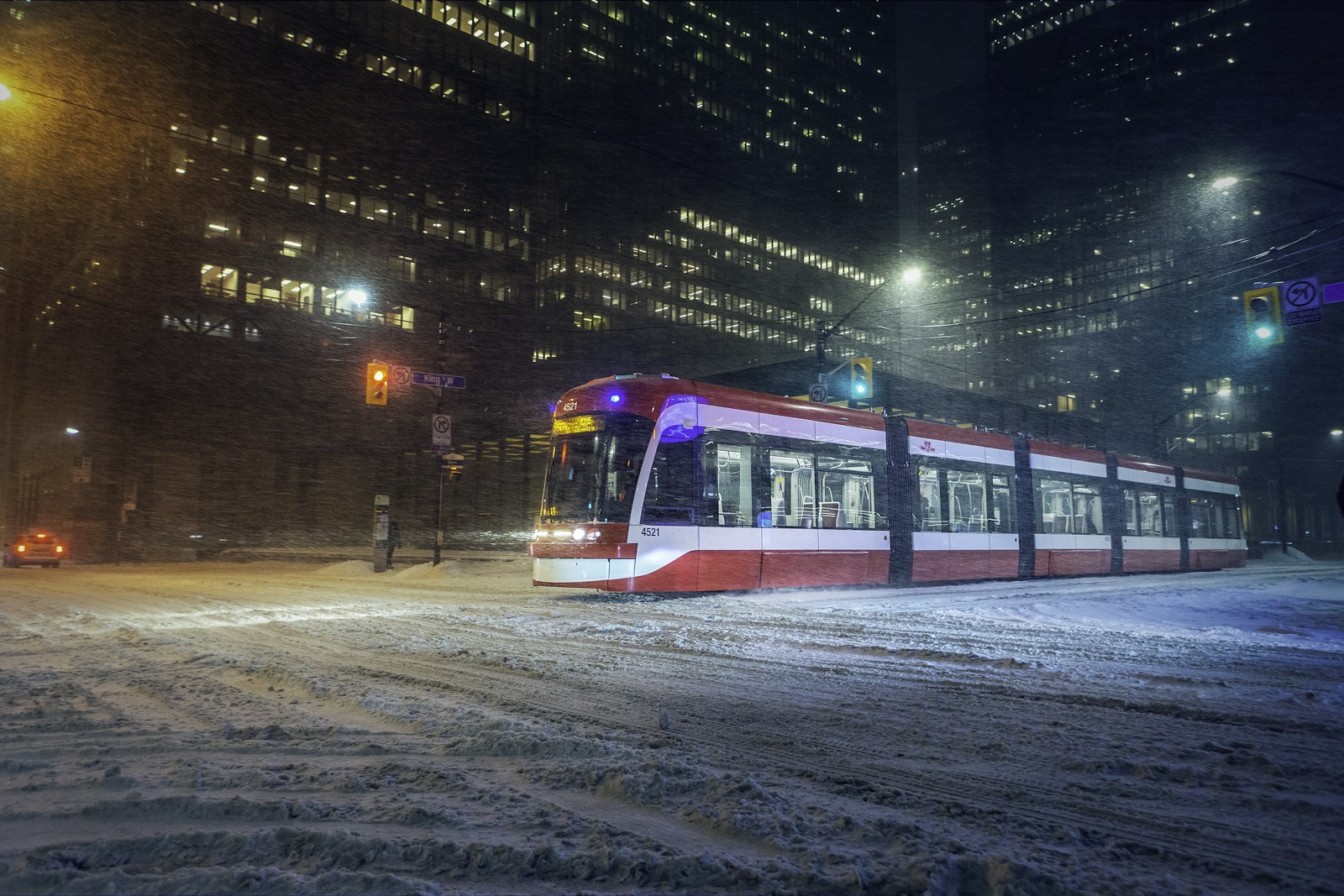
- Toronto TTC plus PRESTO: The January 2026 storm shut Line 1 and Line 2 segments and closed Line 6 Finch West entirely. Bookmark TTC Service Advisories before November.
- Vancouver TransLink plus Compass: Buses cancel when 10cm of snow falls. SkyTrain usually runs. You will be wet, not frozen.
- Montreal STM plus OPUS: The metro is underground and reliable. Exposed bus stops at -25 windchill are brutal. Plateau and Mile End slopes stay icy.
- Calgary Transit plus My Fare: CTrain runs above ground and gets cold. The downtown Plus 15 indoor walkway system is the cheat code.
- Edmonton ETS plus Arc card: Heated LRT stations. Use the U of A pedway tunnels between buildings.
- Winnipeg Transit plus Peggo: Buses arrive. You WILL wait outside. U of M has heated tunnels you will use.
- Halifax Transit plus HFXgo app: Cash, tickets, and the HFXgo mobile app all work. Nor’easters dump 30 to 50cm at once. The Dartmouth ferry cancels.
Bookmark your city’s advisory page today. When the first storm hits, the app will lie; the advisory page will not.
Frostbite and Hypothermia Timing: The One Chart That Decides Whether You Go to Class Today
Environment and Climate Change Canada publishes exposure times by windchill. Your phone app does not. Memorize this table before your first -25 day.
| Windchill | Frostbite risk on exposed skin |
|---|---|
| -15C | Low risk. Exposed skin safe for 30+ minutes. |
| -25C | Moderate risk. Exposed skin at risk after 10 to 30 minutes. |
| -35C | High risk. Exposed skin can freeze in 10 to 30 minutes. |
| -45C | Extreme risk. Exposed skin freezes in 2 to 5 minutes. |
| -55C | Severe risk. Skin freezes in under 30 seconds (Winnipeg record range). |
Frostbite moves through three stages: frostnip (yellow or white skin, soft, reversible with gradual warming), superficial frostbite (firm, waxy, numb skin requiring medical attention), and deep frostbite (hard, purple or black skin with potential permanent damage). Hypothermia progresses from shivering to speech and thinking impairment, which is a medical emergency. See Health Canada’s extreme cold guidance.
If you see frostnip, get indoors, remove wet clothing, and warm the area slowly with skin contact or lukewarm water. Never hot water, never rub. If skin stays numb, firm, or discoloured after rewarming, call 811 or go to urgent care. Confusion, shivering that stops, or unconsciousness means 911. Provincial coverage matters; see health insurance costs across all 13 provinces and territories: some charge nothing, others charge 900 CAD per year. Consult a licensed medical professional for advice specific to your situation.
The Sun Sets at 4:17pm and So Does Your Mood: SAD, Light Therapy, and Free Campus Resources
You are not weak. You are not pathetically homesick. You have a treatable biological response to a 7-hour-daylight latitude your body has never seen. That reframe alone changes the winter.
About 2 to 3 percent of Canadians experience clinical SAD; another 15 percent experience subsyndromal SAD. If you moved from latitude 0 to 15 degrees (11 to 13 hours daylight year-round) to the 51st to 55th parallel (7 to 9 hours in December), your circadian rhythm has no reference point. Academic pressure, financial stress, and no family support compound the risk.
Light therapy, per the University of Saskatchewan Student Wellness SAD guidance: 30 minutes of 10,000 lux within 30 minutes of waking, 7 days a week. Improvement in 2 to 4 days. Health Canada recommends 600 IU Vitamin D daily for adults 19 to 70; many Canadians supplement 1,000 to 2,000 IU in winter. Vitamin D alone does not replace light therapy for clinical SAD.
Free campus resources to book in October, before symptoms peak:
- UofT Health and Wellness: free counselling, short-term light lamp loan at Robarts
- UBC Student Health Services: free counselling, Empower Me 24/7 hotline
- McGill Wellness Hub: free short-term counselling
- University of Manitoba SCC: light therapy lamps for loan
- University of Saskatchewan Student Wellness: drop-in counselling, SAD education
Book intake in October, not January. By January the line is long and you are already struggling.
Community Anchors: Free Coat Programs, Campus Clubs, and Gurdwara, Temple, and Church Networks
Students interviewed by University Affairs said the single best decision they made was joining one campus club or cultural association in October, before the worst. Isolation compounds cold. Community breaks it.
Free coat programs:
- McGill Winter Coat Project: 500+ free coats per year, a decade-plus running
- University of Manitoba Coats for Kids and student distributions
- Centennial College Coat Drive, Toronto
- Mennonite Central Committee New Hope Clothing (multiple cities)
- Salvation Army and Value Village: 20 to 60 CAD for used coats
- Facebook Buy Nothing groups (city-specific)
Campus clubs that get you outside: International Student Centre welcome events at UofT, UBC, McGill; ski and snowboard clubs with subsidized 40 to 80 CAD day trips; cultural associations for Indian, Filipino, Nigerian, Brazilian, Chinese, and Korean students.
Religious and ethnic networks are free mental health infrastructure. Sikh gurdwaras serve free langar meals in every major city. Hindu temples (BAPS Toronto Mississauga, Lakshmi Narayan Vancouver), Filipino Catholic parishes, Nigerian and African churches (RCCG, Deeper Life), and campus International Christian Fellowship groups all run winter programming. Ethnic grocery anchors (Iqbal Halal, T and T, Marche Adonis, Dino Foods) give you a piece of home when it is -20 outside.
Where you live determines how often you face the cold on transit; review our city-by-city student housing cost guide for international students before you sign a lease far from a heated transit line. Set up your basics before the cold lands, including your Social Insurance Number: see our 2026 guide to getting your SIN in Canada.
Indoor Survival: Humidifier, Hydration, and the Dry-Air Problems Nobody Warns You About
Canadian indoor heat is aggressive. Skin cracks, lips split, nosebleeds start, and you wake up thirsty at 2am. Predictable and fixable.
- Humidifier: 40 to 80 CAD at Canadian Tire or Amazon. Non-negotiable if you wake up with a dry throat.
- Moisturizers: Vaseline, CeraVe, Aveeno, lip balm. Total 15 to 30 CAD.
- Hydration: 2 to 3 litres of water daily. Dry cold pulls moisture out faster than summer heat.
- Emergency kit (Health Canada): blankets, flashlight, battery bank, non-perishable food, bottled water.
- Thermostat: 18 to 20C. Warmer spikes your bill and dries skin further.
The 72-Hour Action Plan: What to Buy, Book, and Join Before Your First -25 Day
Your checklist. Total: 300 to 400 CAD.
Day 1 (Uniqlo plus Costco):
- Uniqlo Heattech Ultra Warm top and leggings: 80 CAD
- Costco Kirkland wool socks 4-pack and hooded parka: 160 CAD
Day 2 (Marks or Sportchek plus Canadian Tire):
- Winter boots: 100 to 180 CAD
- Toque and insulated gloves: 50 CAD
- Yaktrax ice cleats: 35 CAD
Day 3 (online):
- Book a campus counselling intake
- Sign up for one international student centre event before November
- Bookmark your city’s transit advisory page
- Check whether your school runs a coat drive and go even if you already have a jacket; layers and accessories get donated too
If you are still working through arrival week, pair this with our International Student Arrival Checklist so SIN, bank, phone, and winter gear run in parallel. Funding the 300 CAD kit is easier with a campus gig; see the best part time jobs in Canada for students in 2026 for roles that fit a first-winter schedule.
Arriving in January and can stretch one more month? Wait for March end-of-season sales. Columbia, North Face, Sporting Life, and SAIL cut 40 to 60 percent. Next year you start kitted.
Frequently Asked Questions
How cold does Canada really get for international students?
Winnipeg averages 49 days per year at -30 windchill or colder and recorded a wind chill of -57 on February 1, 1996. Toronto and Montreal sit at -15 to -30 for most of January. Vancouver stays near 0 to -5 but is wet. Halifax sits at -10 to -20 with ocean wind.
What should I pack for Canada as an international student arriving in September?
Pack one merino or synthetic base, one fleece, and any lightweight windbreaker. Buy the parka, boots, Heattech, toque, and gloves in Canada. CAD pricing at Costco, Uniqlo, Marks, and Winners beats importing, and you can size up for layers.
What is the most affordable winter jacket in Canada for an international student on a budget?
The Costco Kirkland hooded parka at 120 to 180 CAD. Marks WindRiver at 150 to 250. Used Canada Goose or North Face on Facebook Marketplace at 150 to 400. March end-of-season sales drop 40 to 60 percent at Columbia and North Face outlets.
Do I actually need a Canada Goose to survive a Canadian winter?
No. Kirkland plus Uniqlo Heattech Ultra Warm plus wool socks plus proper boots outperforms a new Canada Goose at roughly 300 CAD versus 900 to 1,500. If the brand matters socially, buy used on Facebook Marketplace.
How do international students handle Seasonal Affective Disorder in Canada?
Book free campus counselling in October. Use a 10,000 lux lamp 30 minutes within 30 minutes of waking, 7 days a week. Supplement Vitamin D at 1,000 to 2,000 IU. Get 30 minutes of outdoor daylight when you can. Join one social anchor before November.
What should I do when windchill hits -30 and I still have class?
Check the Environment Canada wind chill page. Cover every patch of exposed skin. Limit outdoor stretches to under 10 minutes. Use pedway tunnels (U of A, U of M, Calgary Plus 15). Warm-up stop every 10 to 15 minutes.
How do I walk on black ice without falling?
Penguin walk: flat-footed short steps, weight centered, hands out of pockets, toes slightly out. Any wet-looking sidewalk below 0C is ice. Bridges and overpasses freeze first. Wear Yaktrax cleats (25 to 40 CAD) for daily January and February walks.
Where can I get a free winter coat as an international student?
McGill Winter Coat Project, University of Manitoba distributions, Centennial College Coat Drive, Mennonite Central Committee New Hope Clothing, Salvation Army and Value Village at 20 to 60 CAD used, and Facebook Buy Nothing groups city by city.
One Last Thing, From Maria and Moussa
Maria switched from cotton to Uniqlo Heattech Ultra Warm in week three of October and stopped being cold. Moussa booked campus counselling in October and skipped the January wall. Neither owns a Canada Goose. Both made it.
You will too, if you start this week instead of December. Get one practical first-year-in-Canada tip every Sunday by joining the CanadaSmarts newsletter, or keep going with our real budget guide for international students in Canada to see where the 900 CAD you saved on a jacket goes instead.