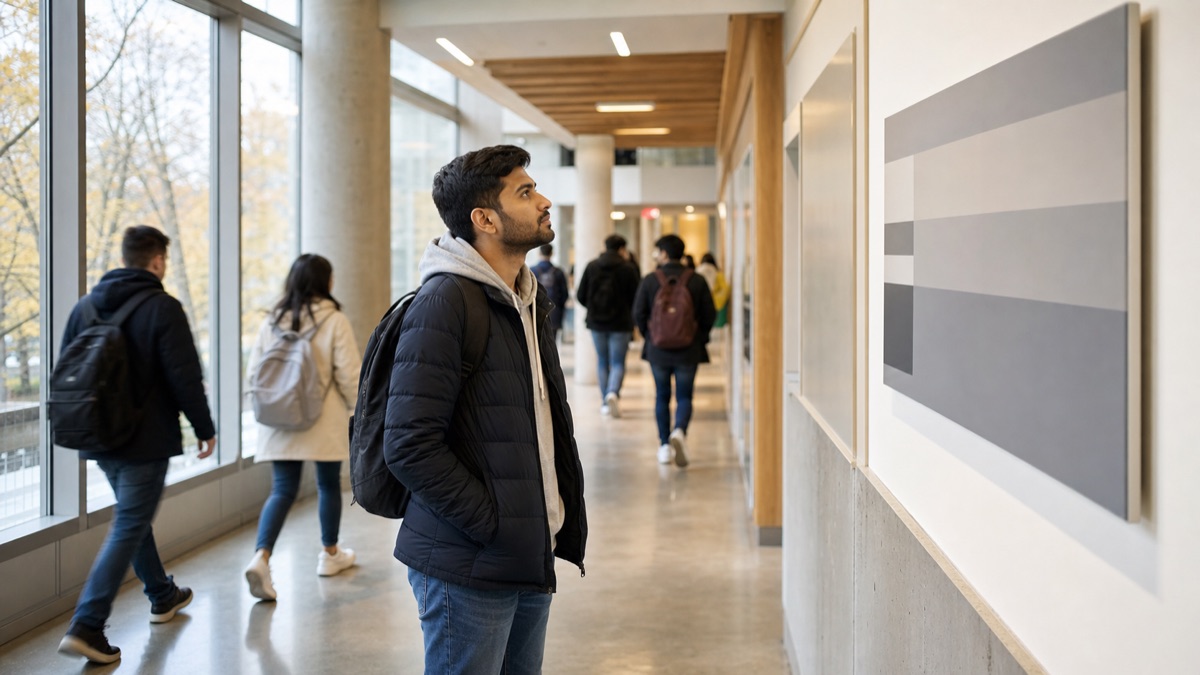
Stop paying for things your Canadian school already gives you free. This is the campus resource map for international students that saves $2,000+ a year.
It is 11 p.m. on a Tuesday. You are sitting on the edge of your bed in a basement suite, checking your bank balance on your phone. You paid $90 cash to an off-campus therapist this afternoon. That was your third session in three weeks. Two hundred seventy dollars gone, plus the two evening shifts at Tim Hortons you gave up to make the appointments. Your GIC is shrinking faster than your professor’s patience with your draft essays. You feel alone, broke, and quietly humiliated that you cannot figure out how to make any of this work.
The classmate next to you in COMM 200 has been getting free counselling on campus all term. Six to ten sessions per academic year. Included in the student union health plan you already paid for at registration. She also has a 24/7 multilingual line called Empower Me that she texts when she cannot sleep. It costs her nothing. It does not get reported to IRCC. It does not touch her study permit, her PGWP eligibility, or her future PR application.
You did not know. Most international students in Canada do not know. Not because the information is hidden, but because every school calls the same office a different name, and the marketing for these free services is buried under three layers of confusing acronyms. This guide fixes that. It maps the free campus resources international students Canada-wide can actually use, decodes the school-name mess (ISO, ISC, CIE, IEC, ISS), and walks you through how to book each one.
The Real Reason You Are Paying for Help You Have Already Paid For
The campus resources international students Canada offers are not hidden behind a paywall. They are hidden behind acronyms. Let’s name the money first. A typical first-year international student paying out of pocket for things campus already covers loses something like this in a single academic year:
- Private therapy: $90 to $180 per session. Even 8 sessions across a school year is $720 to $1,440.
- Private tutoring: $40 to $60 per hour for essay help. Two hours a week for 12 weeks is $960+.
- Immigration consultants: $400+ per question for routine status checks an on-campus advisor would answer free.
- Off-campus groceries on tight weeks: $200 to $400 extra, before you learned the food bank takes 6 minutes.
Add it up and a quiet $2,000 to $2,400 a year leaves your account without you tracking where it went. Every service in this guide is either free or already paid for through your tuition, your student union health plan, or a federal or provincial program your enrollment unlocks. Nothing here is a discount. It is service you already bought.
Arjun, the student in the opening, is a third-year Seneca commerce student working 20 hours a week at Tim Hortons. He paid $270 over three weeks for an off-campus counsellor before a classmate told him Seneca’s wellness team offers free counselling through the student union health plan. He had walked past the office twice a week for two years. Nobody had ever said the word “free.” That is the actual barrier. It is not availability. It is naming.
The 2026 international student survival guide to Canada covers the wider cost picture. This piece is the operating manual for the on-campus side.
The School-Name Decoder: Same Office, Different Sign on the Door
The biggest single barrier to using free campus resources at Canadian universities is that every school calls the international student office something different. Your school calls it CIE. Your cousin’s school calls it ISO. Your friend at UBC calls it ISA. They are the same office.

Same purpose at every school: immigration advising (general, not licensed legal advice), orientation, peer mentor matching, emergency support, and referrals to free legal and wellness services. The name table:
| School | Office Name | Common Acronym |
|---|---|---|
| University of Toronto | Centre for International Experience | CIE |
| UofT Mississauga | International Education Centre | IEC |
| University of British Columbia | International Student Advising | ISA / ISI |
| McGill University | International Student Services | ISS |
| University of Waterloo | Global International and Student Services | GISS |
| York University | York International | YI |
| Simon Fraser University | International Services for Students | ISS |
| University of Calgary | International Student Services | ISC |
| Western University | International Student Centre | ISC |
| Seneca Polytechnic | International Student Services | ISS |
| George Brown College | International Centre | IC |
| Humber Polytechnic | International Centre | IC |
| Centennial College | International Education Centre | IEC |
| Sheridan College | International Centre | IC |
| BCIT | International Student Centre | ISC |
What every one of these offices does for you, free: answers general questions on your study permit, work permit, and PGWP eligibility; helps you decode a letter from IRCC; walks you through study permit extension paperwork; matches you with a peer mentor one or two years ahead of you; refers you to Student Legal Services or a PBSC clinic for licensed legal work; connects you to emergency bursaries and food bank referrals.
What they cannot do: file an application to IRCC on your behalf, give you legally binding immigration advice, or guarantee a PR outcome. For those, only a Regulated Canadian Immigration Consultant (RCIC) or an immigration lawyer can act. Many ISO and CIE offices host a free RCIC consultation slot once or twice a month. Ask your advisor when the next one is.
The next section is where the free-vs-paid line gets ugliest, because the bill arrives in September whether you understand it or not.
Provincial Health Coverage Side-by-Side: UHIP vs MSP vs RAMQ vs AHCIP vs MCP
Health insurance for international students in Canada changes by province, by school, and sometimes by the month you arrived. This is where Anxious Arjun lands in BC in September, waits until December for MSP coverage to kick in, and almost gets a $3,000 ambulance bill in the gap. Know what your province does before your first dental ache. For the full picture — every province’s rules, waiting-period bridge options, and how claims actually get paid — our dedicated student health insurance guide goes deeper than the summary table below.
| Province | Plan | Cost 2025-26 | Waiting Period | Auto-Enrolled? |
|---|---|---|---|---|
| Ontario | UHIP | $792/year single, $792 per dependant | None | Yes (TMU, UofT, York, Western, Waterloo, Wilfrid Laurier) |
| British Columbia | MSP + International Student Health Fee | MSP free; ISHF $75/month | 3 months from first day of month after arrival | Apply yourself |
| Quebec | RAMQ | Free only with a social security agreement | None for agreement-country students | Apply yourself, only if eligible |
| Alberta | AHCIP | Free for study permits valid 12+ months | Apply within 3 months of arrival | Apply yourself |
| Newfoundland | MCP | Free for study permits 12+ months | None on arrival | Apply yourself |
One BC trap to flag: between your arrival date and the month MSP kicks in, you need private bridge coverage (iMED, guard.me, Cowan). UBC and SFU publish lists. An out-of-pocket ER visit runs $600 to $1,500 in BC. Verify rules at uhip.ca (Ontario) and gov.bc.ca/msp (BC).
Most provincial plans do not include strong dental, vision, or extended prescription coverage. That gap gets filled by a school health and dental plan via Studentcare or a school-specific plan. These add $300 to $500 per year, are auto-billed, and you can opt out within the first few weeks of term if you have private coverage from home. Do not pay the school plan AND a private plan. Pick one.
For a full breakdown of student health insurance costs by province, see our province-by-province health insurance guide. Now, the section the avatar reads first when the term gets dark: counselling.
Free On-Campus Counselling: 6 to 10 Sessions, Empower Me 24/7, and the IRCC Myth That Stops People From Using It
The single biggest dollar-for-dollar gap between what you have already paid for and what you are actually using sits in this section. Most Canadian universities offer 6 to 10 free on-campus counselling sessions per academic year, billed through your student union health plan at zero extra cost. Most plans also include a 24/7 multilingual phone and text line (Empower Me, Keep.meSAFE, or Wellness Together Canada) in your language of choice, again, free.

Where to book: UofT Health and Wellness (online via student portal), UBC Counselling Services (online intake, callback in 1 to 5 days), McGill Wellness Hub (online plus daily crisis drop-in), Western Wellness Education Centre (drop-in plus appointments), BCIT Counselling and Student Development, Seneca Counselling Services (online, evening hours during exam periods).
Waitlists run 2 to 6 weeks at peak (October, February, exam crunch). The 24/7 Empower Me or Keep.meSAFE line is the bridge for any night you cannot wait. Save the number now, not the night you need it. Empower Me operates in Mandarin, Cantonese, Punjabi, Hindi, Tagalog, French, Arabic, Spanish, and dozens more languages.
Now the myth that quietly stops more international students from using counselling than waitlists ever could: using on-campus counselling is private. It does not go to IRCC. It does not appear on any document that affects your PGWP, PR, or study permit extension. Counselling records are protected under provincial privacy law (Ontario’s PHIPA, BC’s PIPA, Quebec’s Act respecting health services). IRCC officers do not get them. They cannot subpoena them in a routine permit decision. The only exception is voluntary disclosure, which is your choice and your record.
The Reddit thread on r/UofT this past March was full of students asking the same question: “Will counselling go on my record?” Every reply from someone who actually went said the same thing. Nobody asked about immigration status. Intake was 15 minutes of “what brought you in today” and “what languages are you comfortable in.”
What to say when you walk in:
“Hi, I am an international student and I would like to book a counselling appointment. My English is okay but I might need extra time. Can you tell me what to expect?”
Staff at every Canadian campus counselling office are trained for that exact opener. You are not the first to say it.
If month three or four has been heavier than you expected, how culture shock hits at month 3 walks you through the year-one timeline. If loneliness is the harder one, saudade and free mental health help for international students is the companion read.
Counselling solves the inside. The next section solves what comes out: the essay you have been hiding from your professor.
Free Writing Centres, Tutoring, and English Language Support
“Writing centre” sounds like remedial help. It is the opposite. Writing centres exist because PhDs use them for grant proposals. Asking for feedback on a draft is what strong students do, and the campus resources for international students in Canada include free access to one at every school.

Universities to know: McGill Writing Centre (Tutorial Service plus Graphos for grads), UBC Centre for Writing and Scholarly Communication, UofT Writing Centres (one per college plus the ELL011H1F 8-day summer academic English bootcamp), Waterloo Writing and Communication Centre, York SPARK Writing Lab. College equivalents that get overlooked: Seneca Learning Centre, George Brown Tutoring and Learning Centre, Humber Math and Writing Centres, Sheridan Tutoring Services, BCIT Learning Hub. All free.
Booking windows at peak (October, February, April finals) run 1 to 2 weeks ahead. Most centres also keep drop-in hours, typically afternoons. Book your first appointment in week 2 of term, before the queue gets long. Bring a draft, not a blank page.
The next two H2s deal with the parts of student life nobody markets to international students by default: food and legal help.
Campus Food Banks and the Greater Vancouver Controversy You Probably Heard About
Tone shift. Short sentences. No shame.
Among the free campus resources international students in Canada underuse most, on-campus food banks lead. 74.5% of Canadian international students were food insecure in the 2021 Meal Exchange survey. That is three out of four. If you are skipping meals on lean weeks, you are inside the statistical norm, not an outlier.
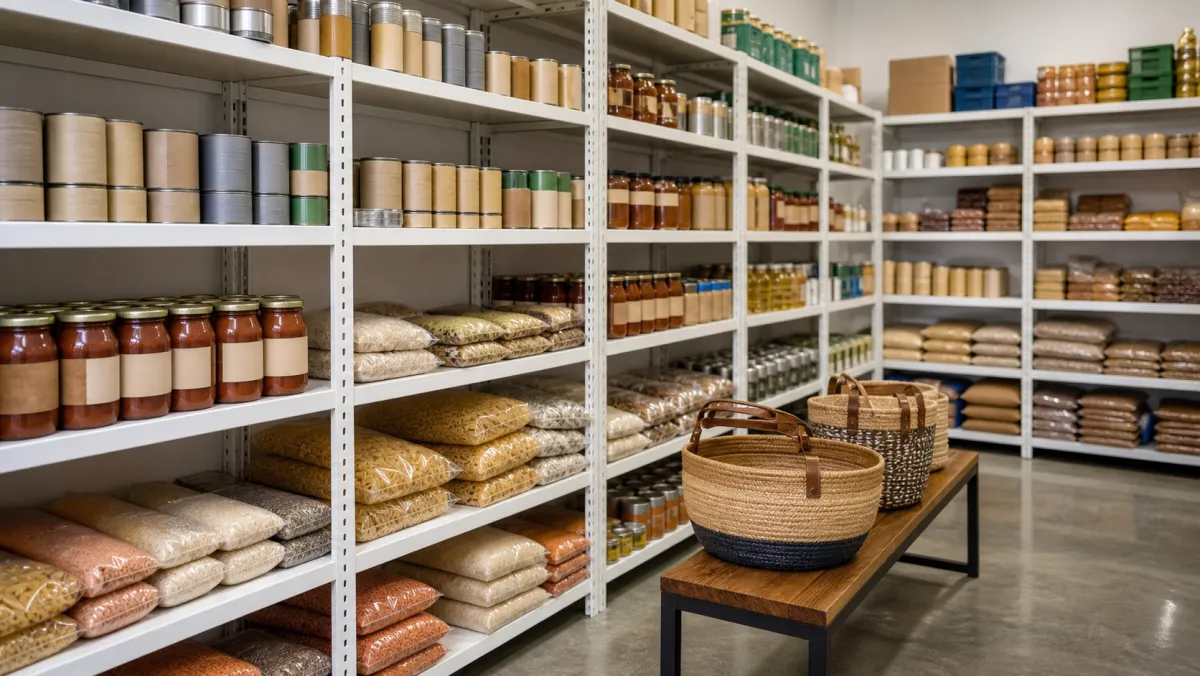
Every Canadian university has an on-campus food bank. Most colleges do too. They do not check immigration status. They do not contact IRCC. They exist for the student population, including you.
The bigger ones: UAlberta Campus Food Bank (founded 1991, oldest student-run food bank in Canada); UofT Food Bank (multiple campus locations); UBC AMS Food Bank (bag pickups by appointment); Concordia Food Coalition and McGill Midnight Kitchen (hot meals plus pantry); Western USC Food Support Services (grocery-style pickup); York Food Bank (walk-in). Every Ontario and BC college (Seneca, George Brown, Humber, Centennial, Sheridan, BCIT) runs a campus food support program. Ask your International Centre.
Now the news cycle that scared a generation of students. In 2024 the Greater Vancouver Food Bank, which is an off-campus regional food bank serving Metro Vancouver, announced it would exclude first-year international students. That announcement applies only to that one off-campus organisation. The on-campus food banks at UBC, SFU, Langara, KPU, BCIT, and every other BC post-secondary remained open to international students of any year. If a friend told you “we are not allowed at the food bank,” they read the headline and stopped. The on-campus food bank is still there.
One more thing on shame. Campus food banks are stocked and funded specifically for the student population. You are not taking from “someone in need,” because the donor pool is built for you. The student union spent the money to stock it because students like you needed it. Using it is the design. Skipping it is the bug.
You will walk in. You will say your name and student number. You will get a bag of rice, lentils, pasta, peanut butter, and canned tomatoes in about 6 minutes. Nobody will ask about your study permit.
If you want to stretch your GIC further on the grocery side, our piece on the $22,895 GIC grocery budget playbook is the natural follow-up. And for the everyday discount layer, 50+ verified international student discounts in Canada for 2026 stacks on top.
Career Services, Co-op, and the PGWP Pipeline Most International Students Underuse
Your single biggest career fear, named honestly: graduating with a PGWP and ending up in a survival job because no employer interviewed you. Campus career services are the strongest free lever against that outcome, and most international students never book a single appointment.
Every Canadian university and college career centre is open to international students by default. Free. What you get: resume and cover letter review with a Canadian-format specialist (Canadian resumes look different from Indian, Chinese, Nigerian, and Brazilian resumes); mock interviews with feedback on behavioural questions; job board access for student, co-op, and new-graduate roles; international-student-specific career fairs; PGWP-eligible employer lists (ask); and alumni mentor matching.
Co-op programs at Waterloo, SFU, UBC, UofT, Conestoga, BCIT, and Sheridan are open to international students with a separate co-op work permit, free, applied for through IRCC alongside your study permit. A Waterloo co-op grad with 4 to 6 work terms is the closest thing to a domestic resume an international student can graduate with. Peer mentor programs include BCIT International Peer Mentoring, UCalgary ISMP, KPU IPM, VCC, ULethbridge ISMP, Lakehead Peer Mentor, and UofT CIE Peer Mentor.
The booking rule that beats every other: go in week 2 of your first term. Not in semester 6 when you are panicking about the PGWP clock. The advisor who knows you for two years writes a better referral than the one who meets you once.
Up next: when an employer skips your wages or a landlord keeps your deposit, another office handles that free too.
Free Legal Help: Student Legal Services, PBSC, and Real Advice on Landlords, Employers, and Status
Every Canadian law school has a student-run legal clinic, a Pro Bono Students Canada chapter, or both. They give free advice to people who would otherwise pay $300 to $500 an hour. International students qualify at almost every one.
The big clinics: Downtown Legal Services (UofT), intake 416-978-6447, handles tenancy, employment, criminal, refugee, and academic offences for levy-paying UofT students and low-income Toronto residents. LSLAP at UBC: free advice in English, Cantonese, and Mandarin on civil, employment, family, tenancy, and small claims. Student Legal Assistance at UCalgary and Student Legal Services of Edmonton at UAlberta: civil, criminal, and family for low-income adults and undergrads. PBSC chapters at most law schools handle project-based work supervised by a lawyer.
What these clinics handle that international students use most:
- Tenancy disputes: illegal rent increases, deposit not returned, eviction notices, repairs not made.
- Employment disputes: wage theft from cash jobs, unpaid overtime, wrongful dismissal. If the amount feels “too small to bother,” provincial Employment Standards offices have free wage-recovery processes. The complaint does not go to IRCC.
- Small claims: up to $35,000 in Ontario and BC.
- Study permit questions: general advice on what a letter from IRCC means.
- Human rights complaints: discrimination at work, housing, or school.
The boundary: only an RCIC or an immigration lawyer can represent you to IRCC. SLS clinics help you understand a letter, weigh options, and refer you. Many ISO and CIE offices have a free RCIC consultation slot once or twice a month. This article is not legal advice. Consult a licensed lawyer or RCIC for advice specific to your situation.
Accessibility, Emergency Bursaries, and the Other Free Lifelines
Accessibility Services
HEQCO 2022-23 Ontario data: only 1.2% of international college students registered for Office for Students with Disabilities (OSD) services. The domestic rate was 23.5%. International students are not 20 times healthier. They are uninformed. OSD is open to international students with any documented disability (physical, cognitive, ADHD, learning disability) or mental health diagnosis. Registering unlocks notetaker support, extra exam time, reduced course load with academic status protection, accessible course material, and priority registration. Caution: a reduced course load can affect your study permit’s full-time status and PGWP eligibility. Coordinate any reduction with your ISO or CIE before you drop a course.
Emergency Bursaries
Most Canadian universities have emergency funding pots for international students: York International Student Emergency Bursary, TMU Emergency Bursary for International Students, UAlberta International Supplementary Bursary, UWindsor Student Support Bursary (up to $1,000/year), UofT International Student Emergency Aid, Ontario Tech International Emergency bursaries (up to $20,000/year, renewable 4 years). The application is short. Apply before you miss rent, not after.
Faith Centres and Equity Offices
UofT Multi-Faith Centre, UBC SVT chapel, McGill Office of Religious and Spiritual Life, and equivalents at most large universities run free meals events 1 to 2 times per term in the major faith traditions (Diwali, Lunar New Year, Eid, Christmas, Hanukkah, Vaisakhi). Open to anyone. Every Canadian university also has an Equity, Diversity, and Inclusion or Human Rights and Equity office for harassment and discrimination complaints in housing, employment, and academics. Intake is free, confidential, and does not contact IRCC.
Province-Specific Notes
- Quebec: free French language community classes (Francisation) through the Ministère de l’Immigration.
- Atlantic (NB, NS, NL, PEI): ISO doubles as career, wellness, and immigration desk. Shorter waitlists; fewer specialists.
- Prairies (MB, SK, AB outside major cities): lower student volume means shorter waitlists at counselling and writing centres.
Frequently Asked Questions
Do international students get free counselling at Canadian universities?
Yes. Most Canadian universities offer 6 to 10 free on-campus counselling sessions per academic year, included in your student union health plan at no extra cost. Most plans also include 24/7 multilingual support through Empower Me, Keep.meSAFE, or Wellness Together Canada, also free.
Will using the campus food bank or counselling affect my study permit or PR application?
No. On-campus food banks and counselling services do not report to IRCC and do not appear on any document used to assess your study permit, PGWP, or PR application. These records are confidential under provincial privacy law.
My school calls it CIE, my friend’s school calls it ISO. Are they the same?
Yes. UofT calls it CIE, UBC calls it ISA or ISI, McGill calls it ISS, Waterloo calls it GISS. Same purpose at every school: immigration advising, orientation, peer mentor matching, and emergency support for international students.
How much is UHIP in Ontario in 2025-26?
UHIP is $792 per year for a single student, plus $792 per dependant if you add one. It is charged automatically to your student account at TMU, UofT, York, Waterloo, Western, and Wilfrid Laurier. Exchange students on a single 4-month term pay $264.
I work 20 hours a week and have no time to walk in. Can I book any of these services online?
Most universities offer online booking for counselling, writing centres, career advising, and legal clinics. Campus food banks are typically walk-in, but most stay open 1 to 2 evenings per week specifically for working students. The 24/7 Empower Me and Keep.meSAFE lines are available by phone or text any time.
I am too shy or my English feels weak. What do I actually say at intake?
Use this script: “Hi, I am an international student and I would like to book an appointment. My English is okay but I might need extra time. Can you tell me what to expect?” Staff at every Canadian campus counselling, writing, and career office are trained for international students. You are not the first person to say this, and they will not judge your accent.
What to Do Next Week
Pick three things from the list below and book them this week. Not next month. This week, while the motivation is fresh and the bank balance is still in your head.
- Search your school’s site for “international student” plus the words “counselling,” “writing centre,” and “career.” Bookmark each page.
- Save the Empower Me or Keep.meSAFE phone number in your phone right now. Label it “free 24/7 support.”
- Email your international student office. Ask three questions: when is the next free RCIC consultation slot, who runs the peer mentor program, and is there an emergency bursary application form. Use the school-name decoder table above to find your office’s actual name.
- Walk into the writing centre during a drop-in hour with the next essay you owe. Bring the draft. Even a bad draft.
- If your bank balance is anxious tonight, the campus food bank takes 6 minutes. The form is short. You will be in and out before the next bus.
The free campus resources every international student in Canada has already paid for are sitting in offices you have walked past for two semesters. The money you stop bleeding to private therapists, tutors, and consultants is the money that funds the rest of your degree. Use it.
For more international student playbooks across cost of living, study permits, PR pathways, and provincial differences, browse the rest of CanadaSmarts. Province-by-province specifics, not generic tips.
Disclaimer: this article is informational, not legal, medical, financial, or immigration advice. Provincial health plan rules and fees update annually. Consult a licensed professional, your school’s international student office, or the official .gc.ca and provincial government websites for advice specific to your situation.