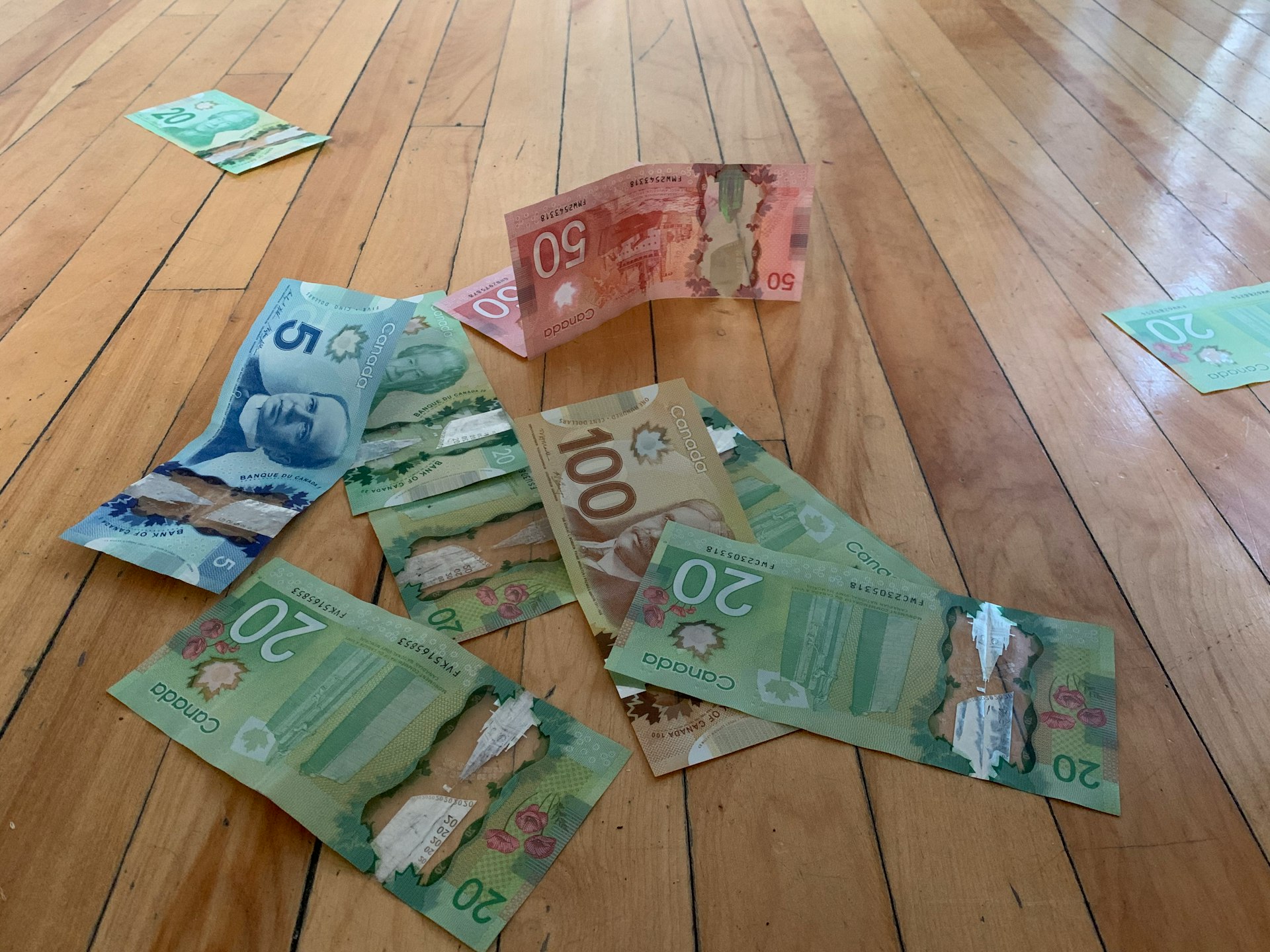
The Government of Canada says you need 833 CAD a month to live here. A real Toronto rent, in 2026, is 1,350 CAD for a studio or 780 CAD for a shared room in a 3-bed. Those two numbers do not fit in the same wallet, and if you are reading this, the GIC balance is already lighter than you expected.
You are not bad with money. You were handed a cost-of-living figure from IRCC that was last updated in 2024 and priced like it was 2019. The good news: there is a specific playbook, not a vibe, that keeps a realistic monthly spend around 1,500 CAD in cities that look impossible on paper. This guide lays out the 27 tactics students actually use to save money as an international student in Canada through 2026, with the real rent, grocery, transit, and work numbers behind each one.
This article covers general budgeting, banking, and immigration-adjacent rules. Consult a licensed immigration consultant or financial advisor for advice specific to your situation.
The 2026 Reality Gap: Why IRCC’s $833 Figure Will Not Keep You Housed
IRCC’s cost-of-living requirement for a single student outside Quebec sits at 22,895 CAD for 12 months (effective September 1, 2025, up from the prior 20,635 CAD), which works out to roughly 1,908 CAD per month on paper. Quebec sets its own threshold through MIFI at roughly 24,617 CAD for a single applicant in 2026, so the numbers below apply to the rest of Canada. The older 833 CAD figure is still quoted on university sites and Reddit threads, so half the advice online is priced for a reality that no longer exists. Even the new number falls short in Toronto and Vancouver once rent lands.

Most students fund the first year with a GIC of 22,895 CAD at a Canadian bank. The bank releases roughly 8,000 CAD when you land, then the balance in 12 equal monthly installments of about 1,240 to 1,720 CAD depending on the bank’s schedule. That is your floor. Anything you spend above that floor has to come from off-campus work, a scholarship, or a parent top-up.
These are the realistic 2026 monthly minimums for a single student in a shared room:
- Toronto: Rent 850, groceries 340, transit Presto 128, phone 34, internet split 20, laundry and misc 145. Total: 1,517 CAD.
- Vancouver: Rent 900, groceries 360, Compass pass 104, phone 34, internet split 20, misc 145. Total: 1,563 CAD.
- Montreal: Rent 650, groceries 300, STM student pass 59, phone 29, internet split 18, misc 130. Total: 1,186 CAD.
- Calgary: Rent 780, groceries 320, transit youth pass 75, phone 34, internet split 20, misc 135. Total: 1,364 CAD.
The gap between the GIC release of 1,720 CAD and a Toronto or Vancouver total is where most students start bleeding money on rent. Before you solve groceries or phone plans, you have to solve rent. See our $22,895 GIC budget breakdown for a full 12-month cash-flow projection by city.
The fix is not to earn more first. It is to cut the one line that eats 55 to 60 percent of your budget.
The $800 Rent Target: Roommate Math, Neighborhoods, and the Lease Traps Nobody Flags
Rent under 850 CAD in Toronto and Vancouver exists. It does not exist in a bachelor apartment or a condo downtown. It exists in a shared 3-bedroom with two other students, 35 to 50 minutes from campus by transit.

Take a real example. A student arrived in Toronto in September and signed a 12-month lease on a 1,350 CAD Yonge-Eglinton studio because it was walkable to everything. By January the GIC installments were not covering rent plus food plus the Presto pass. In February she subletted the studio on Kijiji, moved into a 3-bedroom off Kennedy Road for 780 CAD per room including utilities, and reclaimed 570 CAD per month. Same city. Same semester. Different address.
The roommate setup works because three people split one kitchen, one internet bill, and one Netflix. Here is what to target by city for a shared room in 2026:
- Toronto (Scarborough, North York, Etobicoke): 780 to 950 CAD including utilities
- Vancouver (Burnaby, Surrey, East Van): 800 to 1,000 CAD
- Montreal (Cote-des-Neiges, Villeray, Verdun): 550 to 750 CAD
- Calgary (NE and SW communities on C-Train): 650 to 850 CAD
- Ottawa (Hintonburg, Centretown edges, Alta Vista): 700 to 900 CAD
The Lease Traps That Cost Students Thousands
Under the Ontario Residential Tenancies Act, a landlord can only ask for first and last month’s rent. If a landlord demands six months upfront, three post-dated cheques for “security,” or a key deposit over 250 CAD, that is illegal and you should walk. In British Columbia the rule is first month plus a half-month damage deposit, nothing more. Quebec does not allow security deposits at all.
Subletting from a grad student between May and August is the best entry point. Leases on campus-adjacent houses turn over in late April as grad students defend and leave. Watch the Facebook group “Housing Near [Your University]” starting March 15. Show up to viewings with your study permit, proof of GIC release, and a reference from your international student office. You will beat the crowd.
For a full city-by-city cost guide with a scam-proof search checklist, see our student housing guide for international students.
Rent solved means your monthly floor just dropped by 400 to 600 CAD. Now the food bill is the next bleeder, and there is an app stack that cuts it in half.
The Grocery Stack: 8 Apps and 4 Stores That Cut a $600 Food Bill to $320
A student eating takeout twice a week and shopping at Loblaws or Sobeys spends 550 to 650 CAD a month on food in 2026. Same nutrition, different stack, costs 300 to 340 CAD. The difference is app discipline, not deprivation.

The four cheapest big chains, ranked: No Frills, FreshCo, Food Basics, Walmart. FreshCo price-matches any local competitor’s flyer item at the till, which stacks with PC Optimum points at No Frills for effectively free staples most weeks.
The app stack, in order of savings:
- Flashfood: Dairy, produce, meat, and bakery near expiry at 30 to 50 percent off. Active at most Loblaws-banner stores including No Frills and Real Canadian Superstore. A typical haul: 18 CAD of items for 9 CAD.
- Too Good To Go: Surprise bags from bakeries, cafes, and restaurants for 4.99 to 7.99 CAD. Starbucks and Tim Hortons listings in Toronto and Vancouver fill 20 minutes after release.
- Flipp: Weekly flyers in one place. Star the items you want, it alerts you when the price drops.
- Reebee: Same idea as Flipp, better coverage on Sobeys and Metro.
- PC Optimum: Free points card that stacks with Flashfood and personalized offers. Fills a 200 CAD prescription for free over a year.
- OddBunch: Delivered boxes of “ugly” produce at 30 percent off retail. 38 CAD for a box that would cost 55 at Loblaws.
- Checkout 51: Cashback on specific items, 0.50 to 3 CAD each. Small, stacks over a semester.
- Ampli by RBC: Cashback across grocery and fast food for account holders.
Dollarama covers pantry staples: pasta 1.50, rice 2.75, canned tomatoes 1.50, spices 1.50. Ethnic groceries beat chains on produce and rice. In Toronto, Iqbal Foods on Thorncliffe, T&T Supermarket in Scarborough, and the Kensington produce stands drop grocery bills 15 to 25 percent versus a straight Metro run. Vancouver has the same pattern on Fraser Street and in Richmond.
If rent is late and the cupboards are empty, campus food banks exist for a reason. Every major university runs one, international students on valid study permits qualify, and there is no record kept that affects your status. The University of Toronto, UBC, McGill, and the University of Calgary all run weekly hampers plus emergency same-day access.
Food under control, you still need income. The rule changed in November 2024, and the new math is better than most students realize.
The 24-Hour Work Math: Turning the Off-Campus Cap Into $1,600 a Month
IRCC raised the off-campus work cap from 20 to 24 hours per week during the academic term on November 8, 2024. During scheduled breaks, reading week, winter break, summer if you are still a registered full-time student who is returning, you can work unlimited hours.
The take-home math on 24 hours a week at provincial minimums for 2026:
- Ontario: 17.60 CAD per hour (rising to 17.95 on October 1, 2026). 24 hrs x 17.60 x 4.33 weeks = 1,829 CAD gross per month, about 1,550 CAD after tax.
- British Columbia: 17.85 CAD per hour (rising to 18.25 on June 1, 2026). 24 x 17.85 x 4.33 = 1,855 CAD gross, 1,570 CAD net.
- Alberta: 15.00 CAD per hour. 24 x 15 x 4.33 = 1,559 CAD gross, 1,320 CAD net.
- Quebec: 16.10 CAD per hour (rising to 16.60 on May 1, 2026). 24 x 16.10 x 4.33 = 1,673 CAD gross, 1,420 CAD net.
That is your rent plus groceries covered in every major province. Minimum wage is the floor, not the goal. The jobs that pay 19 to 28 CAD per hour and respect a student schedule:
- Campus TA or grader: 22 to 38 CAD per hour, on-campus hours do not count against the 24-hour cap
- Library or front desk: 17 to 20 CAD, quiet enough to study between tasks
- Research assistant: 20 to 28 CAD, also on-campus
- Tutoring through TutorOcean, Wyzant, Varsity Tutors: 25 to 45 CAD per hour
- Bilingual call centre (Hindi, Mandarin, Punjabi, Spanish, French): 19 to 24 CAD
- Restaurant server with tips: 17.60 base plus 150 to 400 CAD tips per shift in Toronto
- Warehouse night shift (Amazon, Walmart DC): 19 to 22 CAD plus night premium
Going over the 24-hour off-campus cap is the fastest way to get your next study permit or PGWP refused. IRCC pulls employer records. Uber Eats, DoorDash, and Instacart gigs all count toward the cap because your SIN is on file. Cash jobs under the table are a separate and worse problem, they can trigger removal proceedings.
The SIN itself can take 1 to 10 business days after you land, and Service Canada is appointment-only in most cities through 2026. Book the appointment from your home country on the Service Canada site before you fly. See our SIN guide for international students for the full sequence.
Income is half the equation. The other half is not losing 600 CAD a year to bank fees you did not know you were paying.
Banking, Credit, and Fees: How Newcomer Accounts Save You $600 in Year One
Every major Canadian bank runs a newcomer program for international students. The offer is almost identical across banks: zero monthly account fee for 12 months, a welcome cash bonus when you set up direct deposit, and a free no-annual-fee credit card.

The current 2026 newcomer offers:
- TD StartRight: 450 CAD welcome bonus, 12 months fee-free, no-fee US dollar account included
- Scotiabank StartRight: 400 CAD welcome bonus, up to 3 years fee-free on the Preferred Package
- RBC Newcomer Advantage: 350 CAD welcome bonus, 12 months fee-free, free Interac e-Transfers
- BMO NewStart: 400 CAD, 12 months fee-free
- CIBC Smart Account for Newcomers: 400 CAD, up to 24 months fee-free
Skipping the monthly 16.95 CAD account fee alone saves 203 CAD a year. Add the welcome bonus and you are at 600 CAD in year-one savings before you touch a credit card.
Building Credit From Zero SIN History
A credit score in Canada starts forming the moment your SIN is linked to a credit product. Apply for a secured card in your first month. The two best for students with no history:
- Home Trust Secured Visa: no annual fee, 500 CAD refundable deposit
- Neo Secured: no annual fee, 50 CAD minimum deposit
Use it for one small recurring charge, your phone bill works, and pay the full statement every month. After 3 months you will see a score appear on Borrowell or Credit Karma. After 6 months you are in the 650 to 700 range, which unlocks a real unsecured card and better apartment applications. Services like Zolo Rent Reporting and Borrowell’s Rent Advantage report on-time rent payments to Equifax, which accelerates the build.
For remittances home, Wise and Remitly beat bank wires on fees and exchange rates. A 1,000 CAD transfer to India in 2026 costs 6 to 9 CAD on Wise at the mid-market rate, versus 35 to 50 CAD at TD or RBC with a 2 to 3 percent rate markup hidden in the exchange. Over a year of parent-support reversals or occasional transfers home, that is another 200 to 400 CAD saved.
The setup sequence (SIN, then bank, then phone) is covered in our first 7 days arrival checklist for international students. Doing it out of order costs 2 to 3 weeks of delay and often an extra credit check fee.
One more layer of savings is hiding in student IDs, transit passes, phone plans, and winter gear. Most students leave it untouched.
The Discount Layer: Student Cards, Transit Passes, Phone Plans, and Winter Gear for Under $200
A Student Price Card (SPC) costs 11.99 CAD and unlocks 10 to 25 percent off at 450-plus retailers including Old Navy, Adidas, Domino’s, American Eagle, and Sport Chek. The International Student Identity Card (ISIC) is 20 CAD per year and works globally including on flights back home during winter break. Unidays is free and covers Apple Education, ASOS, Samsung, and Microsoft 365 at 10 to 20 percent off.
Transit passes crush single fares:
- Toronto Presto post-secondary: 128.15 CAD/month versus 3.35 per ride, break-even at 39 rides
- Vancouver Compass U-Pass: 45.40 CAD/month for eligible post-secondary students (auto-billed with tuition at UBC, SFU)
- Montreal STM student pass: 59.50 CAD/month
- Calgary Transit youth monthly: 75 CAD
If your university offers a U-Pass auto-billed with tuition, it is 40 to 70 percent cheaper than paying monthly yourself.
Phone Plans Without the Credit Check
The Big 3 (Rogers, Bell, Telus) run a credit check or demand a 200 to 500 CAD security deposit on postpaid plans for anyone with under 6 months of Canadian credit history. Skip them in year one. Prepaid carriers priced for 2026:
- Public Mobile: 34 CAD for 50 GB on 5G, auto-pay discount included
- Lucky Mobile: 29 CAD for 25 GB
- Fizz (Ontario and Quebec only): 30 CAD for 40 GB, flexible month-to-month
- Chatr: 35 CAD for 40 GB
Bring an unlocked phone from home or buy a used iPhone 12 or Pixel 7 on Facebook Marketplace for 180 to 280 CAD. Carrier contracts that “give you a phone” trap you at 85 to 120 CAD per month for 24 months.
Winter Gear for Under $200 Total
A 500 CAD Canada Goose jacket is a vanity tax. A 120 CAD jacket from Costco or Winners keeps you just as warm at minus 25 Celsius. Target list with realistic 2026 prices:
- Parka rated to minus 30 C (Costco Weatherproof, Uniqlo Hybrid Down): 100 to 150 CAD
- Insulated winter boots (Kamik, Sorel at Marshalls): 60 to 90 CAD
- Toque, scarf, lined gloves (Walmart or Dollarama): 15 to 25 CAD total
- Thermal base layers (Uniqlo Heattech at 19.90 each): 40 CAD
Shop end-of-season in February and March for next winter at 40 to 60 percent off. Facebook Marketplace in university neighborhoods floods with barely-used parkas every April as students fly home.
Free campus resources most students forget exist: gym and fitness classes (bundled into tuition), counselling and mental health, free legal aid clinics run by law schools, CRA tax filing clinics every March, and international student office emergency funds. Use them. You paid for them.
All of this still assumes nothing goes wrong. When month 8 arrives and the GIC balance is under 1,000 CAD, the playbook changes.
When the GIC Runs Out: The Month-8 Emergency Playbook
The GIC was designed to stretch 12 months at 1,907 CAD a month. In practice, most students hit month 8 with 800 to 1,500 CAD left because arrival costs (first-and-last rent, winter gear, groceries before the first paycheck) ate more than budgeted. This is the moment you either stack emergency levers or fall out of status.
What actually works, in priority order:
- In-course bursaries: Every university holds bursary money that goes unclaimed every year because students do not apply. Typical award: 500 to 2,500 CAD, non-repayable, disbursed in 2 to 4 weeks. Log into your student portal, search “bursary” or “emergency grant.” UofT, UBC, McGill, and Waterloo each run international-student-specific pools.
- University emergency loans: Interest-free, 500 to 2,000 CAD, repayable at the end of the term. Processed by the international student office in 3 to 5 business days.
- Hour bump within the 24-cap: If you have been working 12 hours, move to 22 or 23. Do not cross 24. The employer will usually accommodate if you ask.
- Campus food bank: Weekly hampers worth 40 to 80 CAD in groceries. Zero status impact.
- Parent top-up conversation: 500 to 1,500 CAD for rent while you close the gap with bursaries and extra hours. Wise or Remitly keeps the transfer fee under 10 CAD.
A real month-8 recovery. One student at Toronto Metropolitan University in February 2026 had 810 CAD left, rent of 820 CAD due in 11 days, and a Flashfood-only food plan. She applied for a 1,500 CAD in-course bursary on a Monday, got the deposit that Thursday, picked up an extra library shift (17 CAD per hour, 8 extra hours a week), and finished the semester with 400 CAD in the account. No status issue, no begging home for a wire, no panic.
What to avoid in month 8:
- Cash jobs under the table. If audited, these can trigger removal proceedings.
- Working beyond 24 hours off-campus. IRCC cross-checks T4 slips against your permit conditions.
- Payday loans at 300 to 500 percent effective annual rate.
- Skipping tuition to cover rent. The university flags non-enrollment, which breaks your study permit condition.
If you funded your GIC through a specific bank and the release schedule surprised you, our GIC bank-by-bank comparison breaks down exactly when each provider releases funds. Pick the one that matches your semester fee deadlines before you send the 22,895 CAD.
For official IRCC rules on study permit work conditions, refer to the government source page at canada.ca study permit work page. For provincial minimum wages and tenant rights, the Ontario Residential Tenancies Act is posted on the Landlord and Tenant Board site, and BC tenant rules live at the BC residential tenancy portal.
Your Next Step: A Budget You Can Open Tonight
Reading 27 tactics and remembering them by Friday is not how real budgets get built. A spreadsheet is. The free CanadaSmarts International Student Monthly Budget Template is pre-loaded with 2026 rent, grocery, transit, and phone numbers for Toronto, Vancouver, Montreal, and Calgary. Drop in your GIC release amount, your work hours, and your tuition dates. It tells you exactly which month will break first so you can act before it does.
Grab the budget template and the CanadaSmarts newsletter for 2026 price updates as rents, wages, and IRCC thresholds shift through the year. Numbers change. The playbook should not.
Frequently Asked Questions
What grocery stores and food options are affordable for international students in Canada?
No Frills, FreshCo, Food Basics, and Walmart are the cheapest big chains. Stack them with Flashfood (up to 50 percent off items near expiry), Too Good To Go (surprise bags from 4.99 CAD), Flipp for weekly flyers, and PC Optimum points at No Frills. Dollarama covers pantry staples like pasta, rice, and spices. Ethnic grocery stores in Chinatown, Little India, and Kensington Market beat chain prices on produce, rice, and lentils. Most campuses run a food bank that accepts international students on study permits. A weekly grocery spend of 75 to 90 CAD is realistic in 2026.
How do I build credit in Canada as a new international student with no SIN history?
Open a newcomer chequing account at TD, Scotiabank, RBC, BMO, or CIBC within your first two weeks. Apply for a no-fee secured credit card like Home Trust Secured Visa or Neo Secured. Put down a 500 CAD deposit, use it for small purchases, and pay the full balance every month. After 3 to 6 months of on-time payments, your credit score moves from zero to a usable 650-plus. Services like Borrowell and Zolo Rent Reporting let you report on-time rent payments to Equifax, which speeds up the process. Avoid carrying a balance or missing a payment, both will tank your score fast.
Is the GIC money actually enough to live on for a year in Toronto?
Not on its own. The 22,895 CAD GIC releases roughly 1,720 CAD per month over 12 months. A realistic Toronto monthly budget in 2026 runs 2,100 to 2,400 CAD once rent, groceries, transit, phone, and internet are added. The shortfall of 400 to 700 CAD per month is why most students need off-campus work, a shared room under 850 CAD, or in-course bursaries to finish the year in status. Vancouver is similar. Montreal and Calgary are more forgiving on housing.
How do I get a phone plan in Canada without a credit check?
Use a prepaid carrier. Public Mobile, Lucky Mobile, Chatr, and Fizz (in Quebec and Ontario) do not run credit checks. Plans with 50 GB of data start at 34 CAD per month on Public Mobile when you auto-pay. Bring an unlocked phone or buy a used one on Facebook Marketplace for 150 to 250 CAD. Postpaid plans from Rogers, Bell, and Telus require a credit check or a 200 to 500 CAD security deposit for newcomers, which is why prepaid is the default first move.
How do I send money home from Canada using the cheapest remittance option?
Wise and Remitly beat bank wires on almost every corridor. A 500 CAD transfer to India costs 3 to 5 CAD in fees on Wise with the mid-market exchange rate, versus 15 to 45 CAD through a big bank with a marked-up rate. For Philippines, Nigeria, Pakistan, and Vietnam, Remitly often has a better first-transfer promo. Always compare the total amount received, not just the fee, because the exchange rate markup is where banks make most of their money.